Only 3 of 18 Presidential Candidates Publish Manifestos Ahead of Nigeria’s 2027 Election
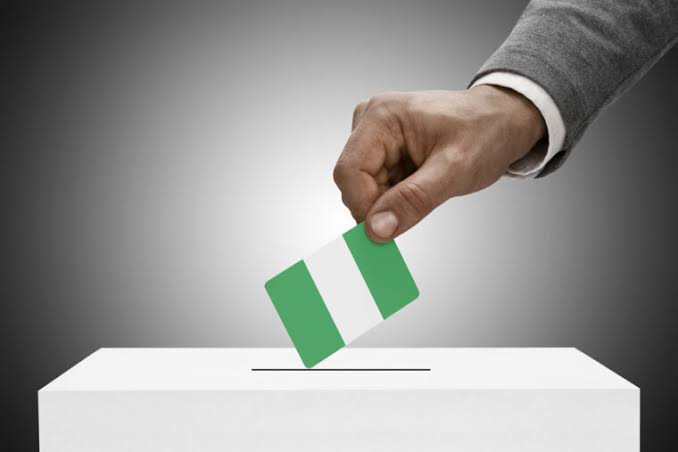
With less than 60 days to the presidential poll, most candidates are yet to present comprehensive policy documents outlining how they intend to address Nigeria’s economic, security and governance challenges.
Only three of the 18 presidential candidates cleared by the Independent National Electoral Commission (INEC) for the 2027 general election have published standalone manifestos, raising concerns about the level of policy detail available to voters ahead of the January 16 presidential poll.
A review of political party websites, candidates’ platforms and social media accounts as of November 17 found that President Bola Tinubu of the All Progressives Congress (APC), Oyo State Governor Seyi Makinde of the Allied Peoples Movement (APM), and Adewole Adebayo of the Social Democratic Party (SDP) are the only candidates with published comprehensive manifestos.
The development means that 15 candidates are yet to make standalone policy documents publicly available, although some have communicated their priorities through campaign speeches, interviews, town hall meetings and named policy agendas.
ALSO READ: FG Targets 91% Increase in CNG-Powered Vehicles to 273,000 by February 2027
The limited publication of detailed manifestos has renewed questions about political accountability and whether Nigerians have sufficient information to assess the policy direction of those seeking the country’s highest political office.
Three Candidates Present Detailed Policy Documents
President Tinubu’s 109-page manifesto, titled From Reforms to Prosperity, outlines four major policy pillars covering national security, improved living standards, energy and infrastructure development, and accountable governance.
Among its targets are annual economic growth of six per cent by 2031, a 50 per cent reduction in youth unemployment, one million export-linked youth jobs by 2030, the recruitment of 78,000 additional security personnel and the construction of 200,000 affordable homes.
Makinde’s manifesto, Reset Nigeria, focuses on economic growth, security, education and good governance. His proposals include decentralising security management and establishing a four-year transitional Government of National Unity.
Adebayo’s 138-page document, Farewell to Poverty and Insecurity, presents a four-year policy framework built around 12 presidential priorities, including food security, electricity, job creation, enterprise development, healthcare, infrastructure, education, innovation and accountability.
The document also outlines proposed delivery timelines and measures for assessing progress.
Major Opposition Candidates Yet to Publish Comprehensive Manifestos
The review identified former Vice-President Atiku Abubakar of the African Democratic Congress (ADC) and former Anambra State Governor Peter Obi of the Nigeria Democratic Congress (NDC) among the leading opposition candidates yet to publish comprehensive standalone manifestos for the 2027–2031 period.
Obi has outlined policy priorities through public engagements, interviews and campaign speeches. These include national unity, addressing insecurity, supporting the return of internally displaced persons to their communities, moving the economy from consumption to production and tackling the estimated 18 million out-of-school children.
However, a comprehensive document detailing funding arrangements, implementation timelines and measurable targets remains unavailable.
Atiku has also presented several policy proposals, including restoring petrol and electricity subsidies, supporting domestic refining, establishing a financing facility for small and medium-sized enterprises and addressing insurgency.
Although a seven-point economic recovery blueprint has been referenced, a new comprehensive manifesto for the next presidential term has not been published.
Four other candidates are campaigning under named policy agendas, but the materials reviewed do not provide the same level of comprehensive costings and feasibility assessments as the three published manifestos.
Voters Need More Than Campaign Promises
The absence of detailed policy documents has attracted concern from governance advocates and civil society organisations, particularly as Nigeria continues to face economic and social challenges requiring clear policy direction.
Issues such as high public debt, inflation, unemployment, insecurity, electricity shortages, weak purchasing power and fiscal constraints remain central to the country’s development priorities.
Civic Hive, a civic-tech organisation, has highlighted the importance of publicly accessible and measurable policy commitments through its 2027 Costed Manifesto Challenge.
The organisation warned that when candidates fail to publish their plans, citizens are left with broad promises and campaign slogans that are difficult to scrutinise or measure.
Akindeji Aromaye, Senior Media Associate at Enough is Enough Nigeria, also stressed that manifestos provide voters with a basis for questioning candidates and assessing their commitments.
The concern extends beyond the publication of documents to whether proposed policies are supported by credible funding sources, measurable targets and realistic implementation timelines.
Nigeria’s Record on Campaign Promises
Nigeria’s previous electoral cycles have also raised questions about the relationship between campaign commitments and actual governance outcomes.
An assessment by fact-checking organisation Africa Check of 20 major promises made by former President Muhammadu Buhari in 2015 found that only three had been fulfilled by June 2022, while eight were in progress and nine had been broken.
Among the unfulfilled commitments were annual economic growth of 10 to 12 per cent, electricity generation and distribution of 40,000 megawatts, and increased budgetary allocations to education and healthcare.
The experience highlights the importance of developing mechanisms through which campaign commitments can be monitored and evaluated after elections.
Accountability Takes Centre Stage Ahead of 2027 Poll
With the presidential election scheduled for January 16, 2027, candidates have limited time to provide voters with clearer explanations of their proposed economic and governance programmes.
For businesses and investors, the availability of detailed manifestos is particularly important because policy decisions on taxation, foreign exchange, infrastructure, energy, trade, investment and regulation can directly influence the operating environment.
A credible manifesto should therefore go beyond political promises to explain how proposed policies will be funded, implemented and measured.
As the campaign enters its final phase, the challenge for presidential candidates is not simply to convince Nigerians that they can govern, but to demonstrate how their proposed policies can translate into measurable improvements in living standards, business confidence and national development.