
Tinubu Offers ₦100m Mortgages at 9.75% as Nigeria’s Rent Crisis Deepens
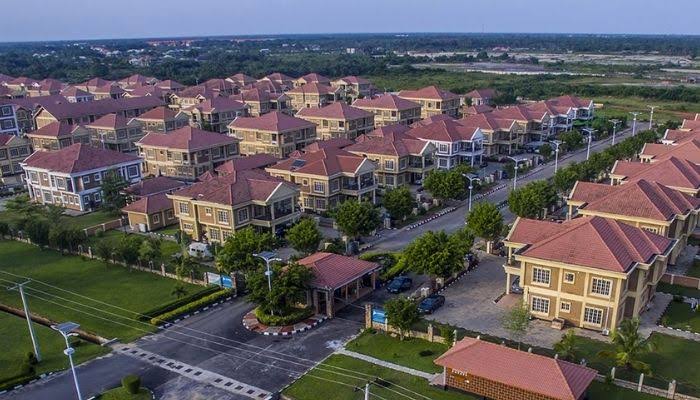
The Federal Government’s housing finance initiative offers eligible Nigerians long-term loans to acquire homes, but affordability, income requirements and housing supply remain critical challenges.
President Bola Tinubu has announced a mortgage facility of up to ₦100 million at a fixed interest rate of 9.75 per cent, with repayment periods of up to 20 years, as the Federal Government intensifies efforts to expand homeownership amid rising rental costs across the country.
The facility, provided through the ₦1 trillion Ministry of Finance Incorporated Real Estate Investment Fund (MREIF), is designed to improve access to long-term housing finance and enable eligible Nigerians to purchase residential properties with a minimum initial equity contribution of 10 per cent.
Tinubu disclosed the initiative in a statement on his verified social media account, describing affordable long-term credit as a key component of his administration’s efforts to address the country’s housing challenges.
ALSO READ:Only 3 of 18 Presidential Candidates Publish Manifestos Ahead of Nigeria’s 2027 Election
Using a property valued at ₦10 million as an illustration, the President explained that an applicant would make an initial contribution of ₦1 million and repay the remaining amount through monthly instalments of approximately ₦85,400 over 20 years.
He also disclosed that more than 2,300 Nigerians across 27 states had accessed ₦160 billion in mortgage financing through MREIF.
Additional financing options for prospective homeowners
Beyond MREIF, the President highlighted the role of the Federal Mortgage Bank of Nigeria (FMBN), which he said had been strengthened to provide eligible Nigerians with housing loans of up to ₦50 million at an interest rate of six per cent, repayable over a maximum period of 30 years.
Contributors to the Contributory Pension Scheme may also be eligible to utilise up to 25 per cent of their Retirement Savings Account balance towards the initial mortgage deposit, subject to applicable pension regulations.
Married applicants can submit joint mortgage applications with their spouses to improve their borrowing capacity and access higher financing.
For households unable to qualify for conventional mortgage arrangements, the Family Homes Fund and the Renewed Hope Social Housing Programme are among the complementary interventions highlighted by the administration.
Tinubu also disclosed that the Renewed Hope Social Housing Programme was targeting 77,400 affordable homes, while more than 15,000 housing units were under construction nationwide through the Renewed Hope Cities and Estates Programme.
Housing affordability remains a major concern
The announcement comes against the backdrop of increasing housing costs, particularly in major urban centres where rental prices have continued to place pressure on household incomes.
In Lagos, for instance, rising rents have forced some workers to relocate to distant communities and neighbouring Ogun State, increasing commuting times and transportation expenses. The wider housing challenge is compounded by population growth, high construction costs, expensive urban land and limited access to affordable housing finance.
For many Nigerians, the challenge is not simply finding a house but securing accommodation that is affordable relative to their earnings.
Consequently, mortgage financing at a fixed interest rate could provide an alternative to repeated rent payments and offer qualifying households an opportunity to acquire long-term assets.
However, the effectiveness of the initiative will depend on how easily ordinary income earners can satisfy its eligibility requirements, raise the initial deposit and sustain monthly repayments over the loan period.
Implementation and housing supply will determine impact
While the mortgage initiative provides an important financing option, access to credit alone may not resolve Nigeria’s housing deficit.
The availability of affordable housing units, transparent application procedures, efficient land administration, reliable property documentation and stronger participation by private developers will be essential to achieving the programme’s objectives.
The cost of building materials, infrastructure deficits and delays in obtaining land titles and development approvals also remain significant constraints on housing delivery.
For the business community, a properly implemented mortgage programme could stimulate activity across construction, building materials, banking, insurance, real estate, manufacturing and related professional services. It could also support employment generation and encourage private investment in residential development.
The Federal Government will therefore need to strengthen partnerships with financial institutions, developers, state governments and other stakeholders to ensure that mortgage financing is matched by an adequate supply of affordable homes.
Ultimately, the success of the initiative will be measured not only by the volume of funds disbursed but by the number of working Nigerians who can realistically access the facilities, afford the repayments and achieve secure homeownership.