
ECOWAS Court Trains Journalists to Strengthen Public Understanding of Regional Justice
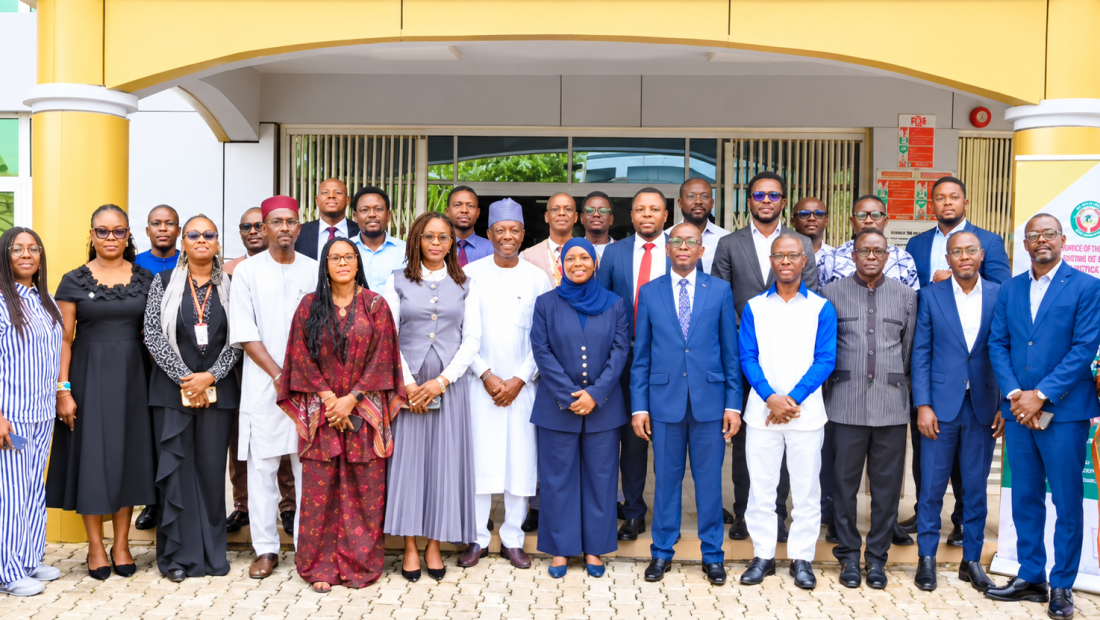
ABUJA — The Community Court of Justice of the Economic Community of West African States (ECOWAS) has begun a three-day capacity-building programme for journalists across the region to improve the quality of reporting on judicial proceedings, decisions and jurisprudence.
The training, which began in Abuja on Wednesday, September 16, brings together journalists from 12 ECOWAS member states and focuses on equipping participants with a better understanding of the Court’s mandate, jurisdiction, procedures, and legal terminology.
The initiative is also expected to strengthen the relationship between the regional judicial institution and the media while improving public access to accurate and understandable information on the Court’s work.
Representing the President of the ECOWAS Court, Justice Ricardo Gonçalves, the Vice President, Justice Sengu Koroma, said effective media coverage was critical to improving public understanding of the Court and its role in promoting the rule of law and protecting human rights in the region.
Koroma urged journalists covering the Court to maintain high standards of accuracy and professionalism, particularly when reporting legal proceedings and judgments.
He stressed the importance of distinguishing between arguments or submissions made by parties in a case and the actual findings and decisions of the Court.
He also called for responsible reporting that avoids bias, sensationalism, misinformation and disinformation.
According to him, journalists have an important role to play in creating awareness about the Court’s decisions and encouraging member states to fulfil their obligations under regional treaties.
The Deputy Chief Registrar of the Court, Mrs Marie Saine, described the media as a vital link between the Court and the citizens it serves.
Saine said the effectiveness of a judicial institution should not be measured only by the number of cases it determines, but also by the extent to which the public understands its mandate, procedures and decisions.
She noted that judicial reporting requires particular care because inaccurate reports could distort the position of litigants, misrepresent judgments or create misunderstanding of the law.
She encouraged journalists to provide sufficient context when reporting court proceedings, while ensuring that reports remain clear, balanced and accessible to the general public.
Also speaking, the Head of Public Information and External Relations, Ms Elohor Ovadje, said the training was aligned with the ECOWAS Court Strategic Plan 2026–2030, themed “Justice for All by 2030.”
Ovadje said the programme was designed to strengthen journalists’ ability to obtain and verify information from official sources, understand judicial processes and produce objective reports on the Court’s activities.
She said the initiative would also support the establishment of a network of journalists across ECOWAS member states who regularly cover the Court.
The expected outcomes include improved accuracy and quality of judicial reporting, greater public awareness of the Court’s mandate and jurisprudence, and stronger media contribution to promoting compliance with the Court’s decisions.
The programme features technical presentations, interactive sessions, and practical engagements with officials and experts in judicial reporting.
Participants are also scheduled to observe a live court session on Friday, September 18, providing an opportunity to apply the knowledge acquired during the training to real-time court reporting.
The initiative is expected to contribute to a stronger connection between the ECOWAS Court and the wider public by making information about regional justice, judicial decisions, and their implications more accessible to citizens across West Africa.
Source: NAN