
Tinubu Hails Coca-Cola’s $1 Billion Investment Plan as Vote of Confidence in Nigeria
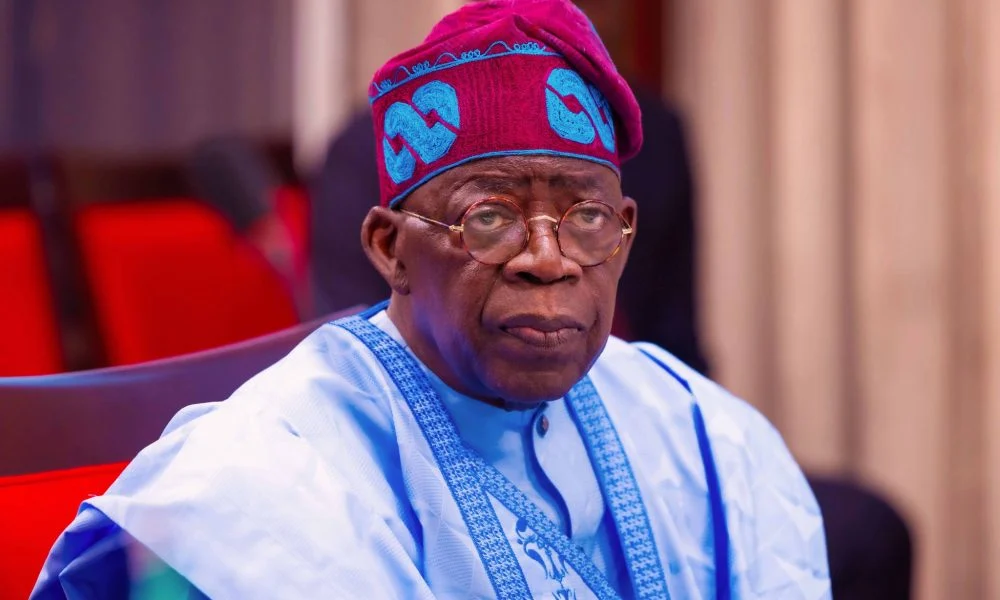
ABUJA, Nigeria, President Bola Ahmed Tinubu has described the Coca-Cola System’s plan to invest up to $1 billion in Nigeria over five years as a strong expression of confidence in the country’s long-term economic prospects.
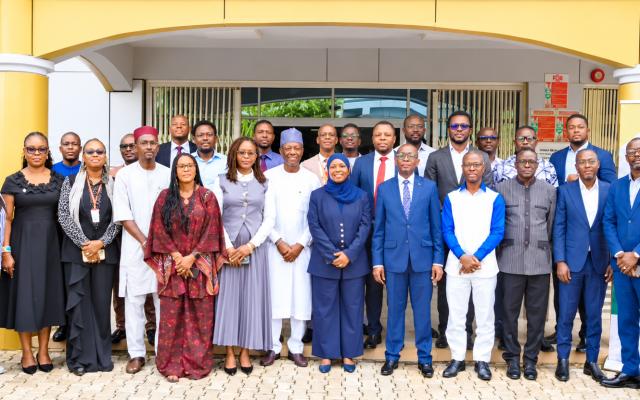
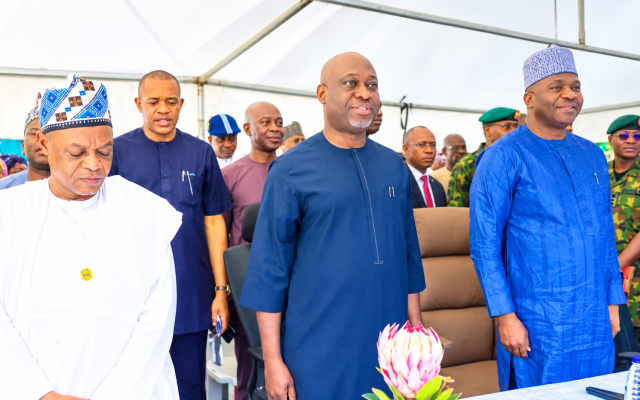
The President spoke at the flagship celebration of the 75th anniversary of Nigerian Bottling Company Limited, held at the Bola Ahmed Tinubu International Conference Centre in Abuja. He was represented by the Secretary to the Government of the Federation, Senator George Akume.
The investment commitment was first announced in September 2024, following a meeting between President Tinubu and senior executives of The Coca-Cola Company and Coca-Cola HBC. It covers the five-year period beginning in 2024 and is intended to support increased production capacity, stronger supply chains, workforce development and the expansion of the company’s operations in Nigeria.
The pledge followed an estimated $1.5 billion invested by the Coca-Cola System in Nigeria during the preceding decade. At the anniversary event, the company reaffirmed its intention to continue delivering on the commitment.
President Tinubu said the scale and duration of the planned investment demonstrated the confidence of a major international business in Nigeria’s market and growth potential. He also acknowledged the practical difficulties facing manufacturers, including unreliable power supply, infrastructure gaps, port and logistics bottlenecks, foreign exchange constraints and the need for clear and consistent regulation.
According to the President, the Federal Government is pursuing reforms aimed at making Nigeria more predictable, competitive and supportive of investment. He said the objective was to build a productive economy that manufactures more goods locally, reduces excessive dependence on imports and creates sustainable opportunities for Nigerians.
Tinubu stressed that the value of investment should be measured not only by the amount of capital committed, but also by its contribution to employment, technology transfer, skills development, local sourcing and domestic productive capacity.
He cited Nigerian Bottling Company’s recent investments in production lines at Asejire in Oyo State and Challawa in Kano State as examples of the industrial expansion needed to strengthen Nigeria’s manufacturing base.
The President also called for closer collaboration between government, manufacturers and Nigerian businesses to deepen local content. He urged major companies to develop dependable domestic suppliers, train young Nigerians to operate and maintain modern industrial equipment, and replace imported inputs with competitively produced local alternatives wherever possible.
Figures presented at the event showed the wider economic footprint of the Coca-Cola System in Nigeria. In 2024, its operations reportedly generated about $1 billion in value-added economic activity, supported more than 160,000 livelihoods across the value chain and involved approximately $601 million in purchases from Nigerian suppliers.
The impact extends beyond the company’s factories to distributors, retailers, transporters, farmers, engineers, technicians, service providers and financial institutions. This multiplier effect, the President said, illustrated how productive private investment can stimulate growth across several sectors of the economy.
Human capital development also featured prominently in the anniversary assessment. Nigerian Bottling Company’s Supply Chain Academy, established in 1996, has trained more than 1,400 young people. The company has also supported women’s empowerment programmes and community initiatives in water, sanitation and hygiene.
The Coca-Cola System’s operations in Nigeria date back to 1951, when Nigerian Bottling Company began production in Lagos. Over the following 75 years, the business developed into a nationwide manufacturing and distribution network and became one of Nigeria’s longest-standing foreign-linked industrial enterprises.
The $1 billion commitment comes at an important time for Nigeria, as the government seeks to restore investor confidence after years of foreign exchange shortages, high operating costs, regulatory uncertainty and the restructuring or departure of some multinational companies.
Tinubu said the administration recognised the sacrifices imposed on businesses and citizens by ongoing economic reforms, but maintained that longstanding structural weaknesses had to be addressed to place the economy on a stronger foundation.
He assured investors willing to manufacture locally, develop Nigerian talent, deepen supply chains and contribute to host communities that the country remained open to long-term partnerships.
For Nigeria, the ultimate test of the Coca-Cola commitment will be the pace at which the pledged funds translate into new production capacity, jobs, stronger domestic suppliers and measurable improvements across the company’s value chain. Its reaffirmation at NBC’s 75th anniversary nevertheless sends a significant signal about the enduring attraction of Nigeria’s consumer market and the possibilities created by sustained investment in local manufacturing.