

CLII, ACCI, Partners Seek Early Detection, Better Care for Alzheimer’s, Dementia Patients

Stakeholders call for stronger support systems as Nigeria marks World Alzheimer’s Day 2026
ABUJA, September 21, 2026
The Caring Lot International Initiative (CLII), in partnership with the Abuja Chamber of Commerce and Industry (ACCI), United Healthcare International and other stakeholders, has called for increased awareness, early diagnosis and improved support systems for Nigerians living with Alzheimer’s disease and dementia.
The call was made in Abuja during activities marking World Alzheimer’s Day 2026, themed “Know Early, Care Better: Changing the Story of Alzheimer’s in Nigeria.”
The event brought together stakeholders from the business, healthcare, civil society and community sectors to raise awareness about dementia and the growing need for better care and support for older persons and their caregivers.
Speaking at the event, the Chief Executive Officer of CLII, Engr. Lawunmi Ismail, said the initiative was designed to draw greater attention to the needs of ageing Nigerians, particularly persons living with Alzheimer’s disease and dementia and the families and caregivers supporting them.
She described ageing as a natural part of life and urged caregivers to remain committed to their responsibilities, while calling on families and communities to provide stronger support to caregivers who often face significant physical, emotional and financial pressures.
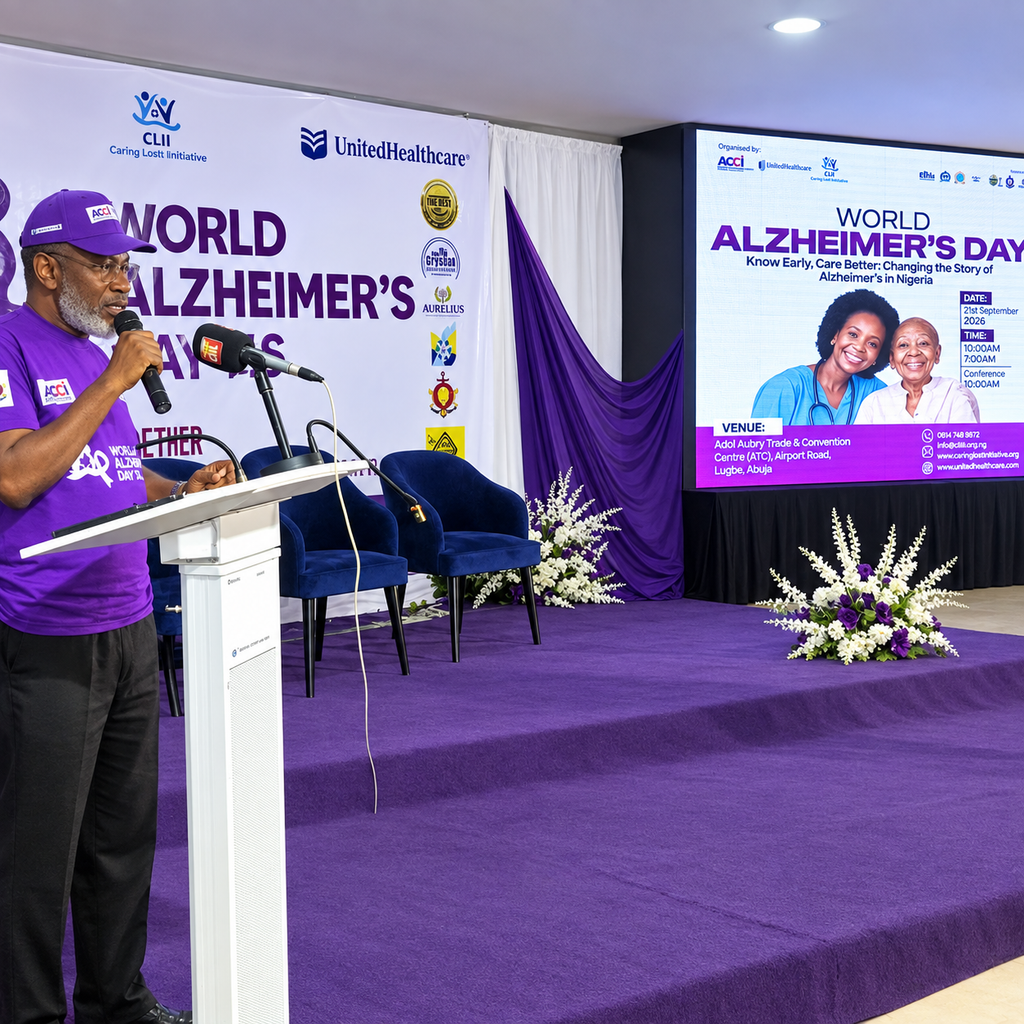
Also speaking, the 1st Deputy President of ACCI and Chairman of CLII, Prof. Adesoji Adesugba, described dementia as an emerging challenge requiring greater public attention, noting that many cases remain undiagnosed because early symptoms are frequently mistaken for normal ageing or attributed to other causes.
He stressed that greater awareness and early diagnosis were critical to ensuring that affected persons receive appropriate care, support and dignity.
According to him, families cannot adequately respond to conditions they do not understand, making public education and early medical attention essential components of dementia care.
Prof. Adesugba also called for stronger systems for elderly care, social protection and dementia support, emphasising that caring for older persons should not be regarded as charity but as a collective responsibility.
He urged Nigerians to treat senior citizens with dignity, patience, respect and compassion, while ensuring that caregivers also receive the support required to perform their responsibilities effectively.
“After all, we too shall grow old,” he stressed, urging stakeholders to build a society where memory loss is met with understanding, patience, love and dignity.
Representing the Director General of ACCI, Mr Agabaidu Jideani, at the event, the Deputy Director General of ACCI, Dr. Tinuke Temitope, conveyed the Chamber’s goodwill and commended CLII and its partners for drawing public attention to dementia, elderly care and the wellbeing of senior citizens.
Dr. Temitope noted that the wellbeing of older persons was closely connected to family stability, productivity and broader economic development, stressing that dementia affects not only individuals but also families, caregivers, workplaces and businesses.
She pointed out that the economic burden associated with caregiving and productivity losses demonstrates the need to view healthcare as an integral component of economic development.
She therefore urged stakeholders to pay greater attention to the health, welfare and dignity of senior citizens, noting that stronger healthcare and social support systems would contribute to healthier families and more resilient communities.
The organisers urged Nigerians to replace the stigma and silence surrounding memory loss with knowledge, early medical attention and compassionate care.
They also called for stronger collaboration among government, healthcare providers, businesses, families and civil society organisations to improve dementia awareness, elderly care and support systems across Nigeria.
The stakeholders noted that addressing dementia and elderly-care challenges requires a coordinated approach involving the public and private sectors. They emphasised that businesses, healthcare providers and policymakers have important roles to play in developing sustainable solutions that support healthy ageing, protect caregivers and reduce the social and economic burden associated with dementia.
The World Alzheimer’s Day activities therefore served as a platform to reinforce the need for greater awareness, early intervention and collective action in building a more inclusive society where senior citizens can age with dignity and access appropriate care.
Reporting:: Peace C.Ezeocha