FG Outlines Spending Plan for Proposed $21.7bn External Loan
Transport infrastructure to receive $10.6bn as government targets power, security, agriculture, education and other critical sectors
The Federal Government has outlined plans to deploy a proposed $21.7 billion external borrowing package to infrastructure and development projects across transportation, defence and security, agriculture, energy, healthcare, education and other critical sectors.
The financing proposal, covering the 2026–2027 period, comprises approximately $20.52 billion and €1.045 billion. It is intended to support projects designed to improve infrastructure, stimulate economic activity, create jobs and strengthen national productivity.
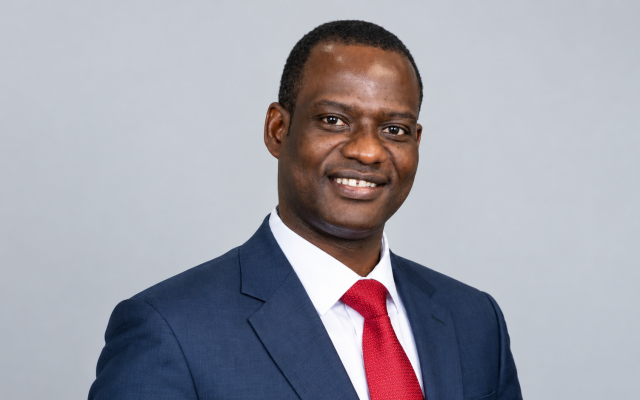
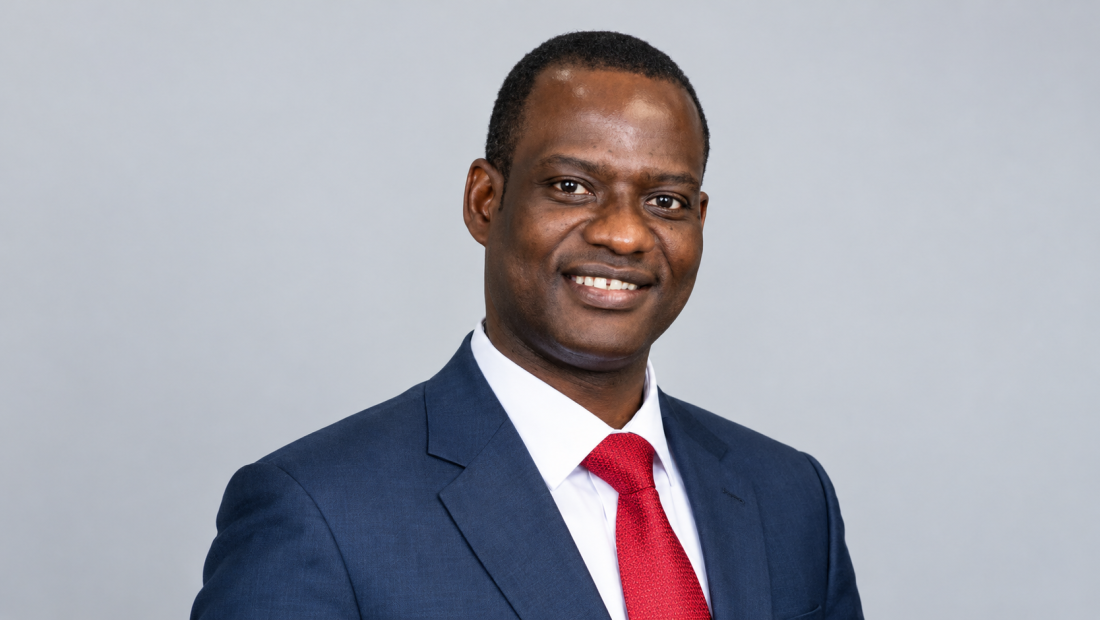
Minister of Finance and Coordinating Minister of the Economy, Taiwo Oyedele, said the proposed financing should be assessed based on the value of the assets and economic benefits the projects are expected to generate, rather than solely on the size of the borrowing.
ALSO READ: NRC Opens Rail Network to Private Operators in Push to Boost Freight, Cut Logistics Costs
He stressed that the proposal remains a financing plan and does not mean the government has already borrowed the entire amount or will necessarily draw down all the proposed facilities.
Transport receives the largest allocation
Transportation infrastructure accounts for approximately $10.6 billion, representing about 49 per cent of the proposed financing package.
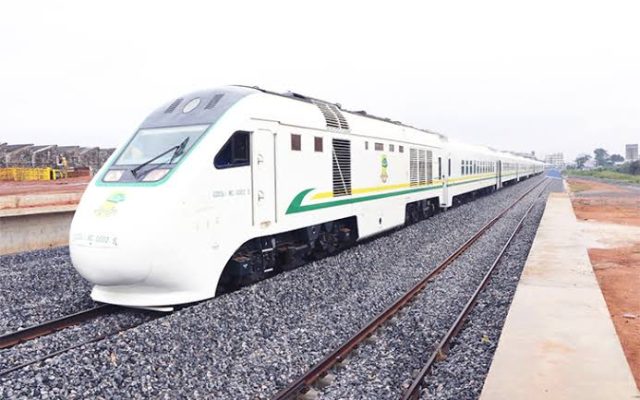
The projects include sections of the Lagos–Calabar Coastal Highway, the Sokoto–Badagry Highway, the Kano–Kaduna rail corridor and the FCT Northern Parkway.
The government expects these investments to improve connectivity between commercial centres, production zones, inland markets and seaports.
For businesses, improved transport infrastructure could reduce delays in moving goods, strengthen supply chains and improve access to domestic and regional markets. The actual benefits, however, will depend on project delivery, maintenance and the efficiency of connecting transport networks.
Defence and security projects are allocated approximately $2.4 billion, with proposed investments covering air capabilities, security systems and a new Defence Headquarters.
Power and agriculture among priority sectors
The proposed financing also covers agriculture, energy, healthcare, education, social protection, digital infrastructure and water supply.
In the power sector, the government has highlighted a €155.9 million credit facility arranged through Deutsche Bank and other lenders for electricity substation projects under Phase One of the Presidential Power Initiative.
The investment is intended to improve electricity supply to homes and businesses, with the potential to reduce reliance on expensive alternative power sources where grid reliability improves.
Agriculture and other social-sector projects are expected to receive financing through concessional facilities, which generally offer more favourable terms than commercial loans.
These investments could support agricultural productivity, improve access to essential services and strengthen the conditions for private-sector growth.
States and development institutions included
The proposed borrowing is not exclusively for federal government projects.
According to the financing breakdown, the Federal Government accounts for approximately $16.7 billion, or 77 per cent of the package, while states and the Federal Capital Territory account for about $3.3 billion, representing 15 per cent.
Government agencies and development finance institutions account for a further $1.45 billion.
The proposed financing includes support from multilateral and bilateral development partners. The World Bank is identified as the largest single partner, with a proposed contribution of $5 billion, followed by the Islamic Development Bank and the African Development Bank.
The financing structure combines commercial facilities, concessional loans and blended financing. The government says the use of development-partner funding is intended to secure more favourable terms for eligible projects and reduce financing costs.
Borrowing plan raises questions about returns and repayment
The proposed package has renewed attention on Nigeria’s debt management, borrowing costs and capacity to meet future repayment obligations.
The government maintains that the financing is intended to create productive assets that will deliver economic value over time. However, the expected benefits will depend on whether projects are completed efficiently, remain useful over their operating lives and generate sufficient economic or social returns to justify their costs.
For commercial facilities, interest rates, fees, currency exposure and repayment schedules will be important considerations. External borrowing also exposes public finances to exchange-rate risks where revenues available for repayment are primarily denominated in naira.
The proposal requires legislative consideration and approval before the financing can proceed as authorised. Lawmakers will therefore have an important role in examining the projects, financing terms, implementation arrangements and expected benefits.
Transparency will be critical to implementation
The economic case for the proposed borrowing will ultimately depend on effective project selection, transparent procurement, credible implementation timelines and independent monitoring of expenditure.
Publishing project-level information—including locations, costs, contractors, financing terms, delivery schedules and measurable outcomes—would help citizens, businesses and investors assess whether the funds are being deployed as intended.
For the private sector, successful implementation could create opportunities in construction, logistics, agriculture, manufacturing, energy and supporting services. Poor execution or cost overruns, on the other hand, could weaken the expected returns while leaving future taxpayers responsible for repayment.
As the proposal undergoes legislative scrutiny, the central issue is whether the planned investments can deliver lasting improvements in productivity, infrastructure and living standards while keeping Nigeria’s debt obligations manageable.