BPP, Project Managers Seek Stronger Partnership to Accelerate Nigeria’s Industrial Development

November 6 2026,
Bureau advocates closer procurement and project management coordination to improve infrastructure delivery, strengthen local industries and maximise public investments.
The Bureau of Public Procurement (BPP) has called for stronger collaboration between procurement professionals and project managers to accelerate Nigeria’s industrial development, enhance infrastructure delivery and ensure optimal utilisation of public resources.
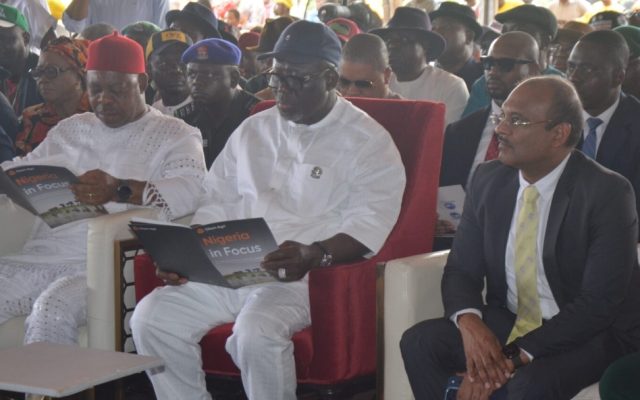
The Director-General of BPP, Dr. Adebowale Adedokun, made the call at the International Project Management Day programme and induction ceremony of the Chartered Institute of Project Managers of Nigeria (CIPMN), held in Abuja under the theme, “Project Management: A Catalyst for Nigeria’s Industrial Transformation.”
Dr Adedokun emphasised that procurement and project management are complementary processes that must work together to translate government policies, budgetary provisions and investments into tangible development outcomes. He explained that while procurement provides the framework for selecting qualified contractors and establishing contractual obligations, project management ensures effective coordination of resources, personnel, timelines and risks throughout project implementation.
He noted that the performance of public projects should be measured not by the volume of contracts awarded but by the quality of infrastructure delivered, improved public services and sustainable benefits to citizens.
Highlighting ongoing procurement reforms, the BPP chief identified the Nigeria First Policy, Sector-Based Procurement Frameworks and measures to broaden supplier participation as strategic interventions for promoting local production, strengthening domestic supply chains and expanding opportunities for Nigerian businesses.
He also drew attention to the MSMEs Public Procurement Training Programme and Digital Learning Portal, supported by the World Bank under the Sustainable Procurement, Environmental and Social Standards Enhancement (SPESSE) Project. The initiative is designed to strengthen the capacity of small businesses to understand public procurement procedures, submit competitive bids and fulfil contractual requirements.
According to him, the digital learning platform will further expand access to procurement education and continuous professional development, particularly among businesses seeking to participate in government contracting opportunities.
Other reforms highlighted include Price Intelligence and Benchmarking, revised Standard Bidding Documents, updated Prior-Review and Monetary-Threshold Implementation Guidelines, as well as the Policy on Variations. These measures are aimed at strengthening transparency, improving procurement efficiency and promoting accountability in public project execution.
Dr Adedokun urged newly inducted CIPMN members to uphold professional integrity, competence and accountability, stressing that effective project management must begin before contract awards and extend beyond project completion to guarantee the proper utilisation and maintenance of public infrastructure.
Earlier, the Registrar-General and Chief Executive Officer of CIPMN, Mr. Henry Mbadiwe, commended the BPP for its procurement reforms and digital transformation initiatives, which he said were contributing to greater transparency and efficiency in public procurement.
Mr Mbadiwe also highlighted the Institute’s digital initiatives, including automated membership registration, professional examinations, licensing and verification processes. He explained that electronic verification systems and Application Programming Interface (API) integration would enable organisations to authenticate the credentials of project management professionals, thereby strengthening professional credibility and accountability.
For Nigeria’s business community, improved coordination between procurement and project management institutions presents opportunities to expand MSME participation in public contracts, stimulate local manufacturing, strengthen domestic supply chains and ensure that government investments deliver measurable economic and social returns.
Edited by Rosemary Aiyenale
Source: News Agency of Nigeria (NAN)