
FG Targets 91% Increase in CNG-Powered Vehicles to 273,000 by February 2027
Government plans to expand vehicle conversions from 143,000 to 273,000 within six months, while calling for greater private-sector investment to address gas supply and refuelling infrastructure gaps.
The Federal Government has set a target of increasing the number of Compressed Natural Gas (CNG)-enabled vehicles in Nigeria by 91 per cent, from 143,000 to 273,000 by February 2027, as it intensifies efforts to expand alternative energy options for the transportation sector.
The target was disclosed by Tari Mayor-Bright, Head of Gas Supply Integration at the Presidential Initiative on Compressed Natural Gas and Electric Vehicles (Pi-CNG & EV), during a regional town hall and stakeholders’ dialogue held in Abuja.
According to Mayor-Bright, the programme has recorded significant growth since its introduction, with the number of converted vehicles rising from approximately 11,500 in 2023 to 143,000 by September 2026.
She said the next phase would focus on accelerating vehicle conversions, expanding refuelling infrastructure and strengthening private-sector participation to support the growing CNG market.
ALSO READ: Netherlands Targets Solar Energy and Horticulture to Deepen Economic Ties with Nigeria
The initiative forms part of the Federal Government’s broader response to the increase in transportation costs following the removal of petrol subsidies in 2023.
Conversion Centres and Refuelling Stations Expand
The government also reported progress in developing the infrastructure required to support CNG adoption.
The number of vehicle conversion centres increased from about seven in 2023 to 415 by September 2026, while the number of CNG refuelling stations grew from seven to 116 within the same period.
Private-sector investment in the programme also increased from approximately $500 million in 2023 to more than $2.6 billion in 2026.
Mayor-Bright described the growth as evidence that CNG mobility was developing into a market-led ecosystem, with private businesses playing an increasingly important role in expanding access to alternative fuel.
However, she identified the cost of vehicle conversion, increasing electoral activities and limited tracking of private-sector conversion figures as potential risks to achieving the February 2027 target.
Government Calls for More Private Investment
Executive Chairman of Pi-CNG & EV, Ismaeel Ahmed, said the initiative was moving beyond the initial phase of promoting alternative fuel adoption towards building an integrated transport energy ecosystem.
He stressed that the success of the programme would depend on making CNG available, affordable and acceptable to motorists and transport operators.
Ahmed noted that the presence of refuelling stations alone would not guarantee adoption if motorists could not conveniently access them or if the cost of converting vehicles remained beyond their reach.
He therefore called for increased private-sector investment to address supply gaps and accelerate the development of supporting infrastructure.
According to him, government efforts are focused on creating an enabling environment, while private investors are expected to play a significant role in expanding the market.
Implications for Transport Operators and Businesses
The expansion of CNG infrastructure presents opportunities for businesses across the transportation and energy value chains.
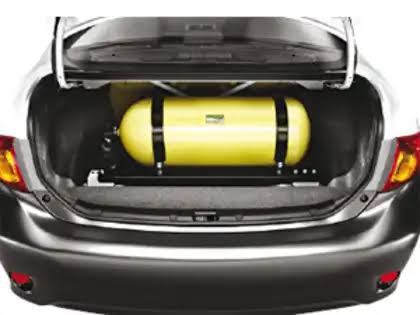
These include investments in vehicle conversion facilities, gas distribution, refuelling stations, conversion kits, equipment supply, technical training and fleet management.
For commercial transport operators, logistics companies and businesses that depend heavily on road transportation, wider CNG availability could provide an alternative to petrol and diesel, potentially reducing operating expenses.
However, the extent to which these savings translate into lower transport fares and logistics costs will depend on reliable gas supply, accessible refuelling facilities and the willingness of operators to pass cost reductions to consumers.
Infrastructure and Affordability Remain Critical
Despite the progress recorded, the programme faces the challenge of ensuring that infrastructure expansion keeps pace with the growing number of converted vehicles.
The cost of conversion remains a major consideration for private motorists and commercial operators, while inadequate refuelling access could discourage adoption, particularly in underserved locations.
The government will also need to strengthen safety standards, ensure the availability of qualified conversion technicians and improve public confidence in CNG technology.
Nigeria’s target of 273,000 CNG-enabled vehicles by February 2027 therefore represents not only a vehicle conversion ambition but also a test of the country’s ability to develop a reliable alternative transport energy market.
The long-term impact will depend on whether investment in conversion facilities, gas supply and refuelling infrastructure can deliver affordable and dependable services to motorists, transport businesses and commuters across the country.