Netherlands Targets Solar Energy and Horticulture to Deepen Economic Ties with Nigeria
Dutch government and businesses are seeking expanded investment in agricultural value chains, renewable energy and cold-chain infrastructure as both countries explore opportunities beyond traditional oil trade.
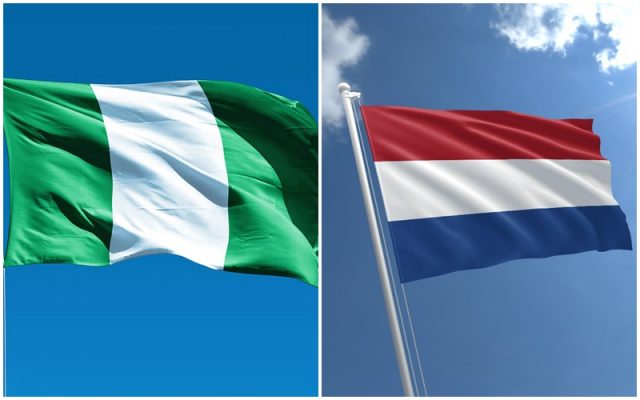
The Netherlands is seeking to strengthen its economic partnership with Nigeria through increased investment and cooperation in solar energy, horticulture, water management and sustainable agriculture, as both countries explore opportunities to diversify bilateral trade.
Frank Keurhorst, Consul General of the Kingdom of the Netherlands in Lagos, said Dutch businesses and government institutions were interested in expanding their participation in Nigeria’s agro-industrial value chains, particularly horticultural production, agricultural exports and renewable energy solutions.
Speaking on the growing economic relationship between both countries, Keurhorst disclosed that bilateral trade had averaged approximately €6 billion, equivalent to nearly $7 billion, over the past four years.
Although the trade relationship has been driven largely by oil, it also includes cocoa, other agricultural commodities and frozen fish.
READ ALSO: Nigeria’s Manufacturing Output Rises to 3.2% as Economic Conditions Improve
He said the Netherlands was looking to broaden this relationship by supporting sectors with significant potential for investment, employment and economic diversification.
Dutch Investment in Agriculture and Horticulture
Agriculture remains a major area of cooperation, with Dutch expertise expected to support improvements in agricultural productivity, seed development and sustainable farming practices.
Keurhorst disclosed that the Netherlands had invested €47 million in Nigeria’s agricultural sector over the past four years and trained approximately 70,000 farmers within the last three years, while improving access to quality seeds and planting materials.
The collaboration has focused particularly on vegetable and potato value chains, with attention to sustainable production and private-sector investment.
He also highlighted Dutch advances in developing seeds with improved resistance to climate conditions and agricultural pests, noting that such technologies could help Nigerian farmers improve yields and strengthen resilience.
The Netherlands is also interested in expanding horticultural production for export, aligning its investment priorities with Nigeria’s ambition to diversify exports and generate additional foreign exchange.
Solar Energy to Support Agricultural Productivity
Renewable energy represents another important pillar of the proposed partnership.
According to Keurhorst, the Netherlands sees significant opportunities in Nigeria’s solar energy market, drawing on its experience in solar installations and renewable energy technologies.
He noted that Nigeria’s abundant sunlight and persistent electricity deficit create opportunities for Dutch companies to provide solutions across the energy value chain.
The Netherlands has already undertaken business missions to explore opportunities in the country’s solar sector.
One initiative is Polar Store, a solar-powered technology introduced in Lagos to strengthen cold-chain infrastructure and improve the preservation of agricultural produce and pharmaceutical products.
The project seeks to address post-harvest losses caused by inadequate storage facilities and unreliable electricity supply.
Keurhorst also disclosed that Invest International, a Dutch impact investment fund, was exploring a partnership with the Nigeria Sovereign Investment Authority (NSIA) to develop cold-storage hubs across the country, beginning with a proof-of-concept initiative.
Solar-powered irrigation pumps and financial instruments to encourage renewable energy adoption are also being considered as part of the broader investment approach.
Investment Opportunities and Business Environment
The Dutch Consul General commended Nigeria’s recent economic reforms, including the removal of petrol subsidies, describing them as important steps towards improving the country’s economic environment.
He also observed improvements in foreign exchange conditions and engagement with the Nigeria Customs Service, particularly in addressing trade barriers affecting foreign businesses.
Discussions are also ongoing around a possible customs cooperation treaty between Nigeria and the Netherlands.
However, he identified inadequate electricity supply, transparency concerns and fiscal uncertainty as continuing obstacles to investment.
Despite these challenges, Dutch companies are expanding their investment interests in Nigeria. Keurhorst said Dutch-linked businesses had created more than 20,000 direct and indirect jobs in the country.
He also highlighted the Orange Corners incubation programme, which has supported 280 Nigerian startups and generated approximately 3,000 verified jobs. The now-closed Challenge Fund for Youth Employment also created 28,000 verified jobs, according to him.
Strengthening Private-Sector Partnerships
The Netherlands is positioning its cooperation with Nigeria around partnerships involving businesses, government agencies, knowledge institutions and civil society.
Through the European Union’s Global Gateway strategy, the country is also supporting efforts to connect private-sector expertise and investment with public funding to advance sustainable infrastructure and economic development.
For Nigeria, deeper cooperation in solar energy and horticulture could support agricultural value addition, reduce post-harvest losses, improve food preservation and create new opportunities for local businesses.
The expansion of cold-chain facilities, renewable energy systems, improved seeds and export-oriented agricultural production could also strengthen the competitiveness of Nigerian agricultural products in international markets.
Keurhorst said the Netherlands remained interested in supporting Nigeria’s economic diversification, particularly through private-sector partnerships that can translate investment opportunities into sustainable economic outcomes.