Nigeria’s Manufacturing Output Rises to 3.2% as Economic Conditions Improve
ABUJA, November 16, 2026
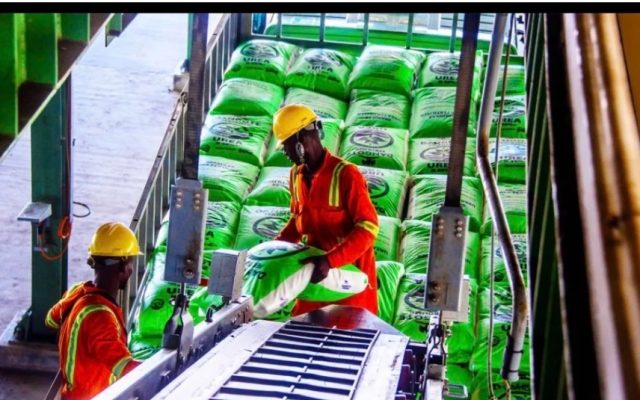
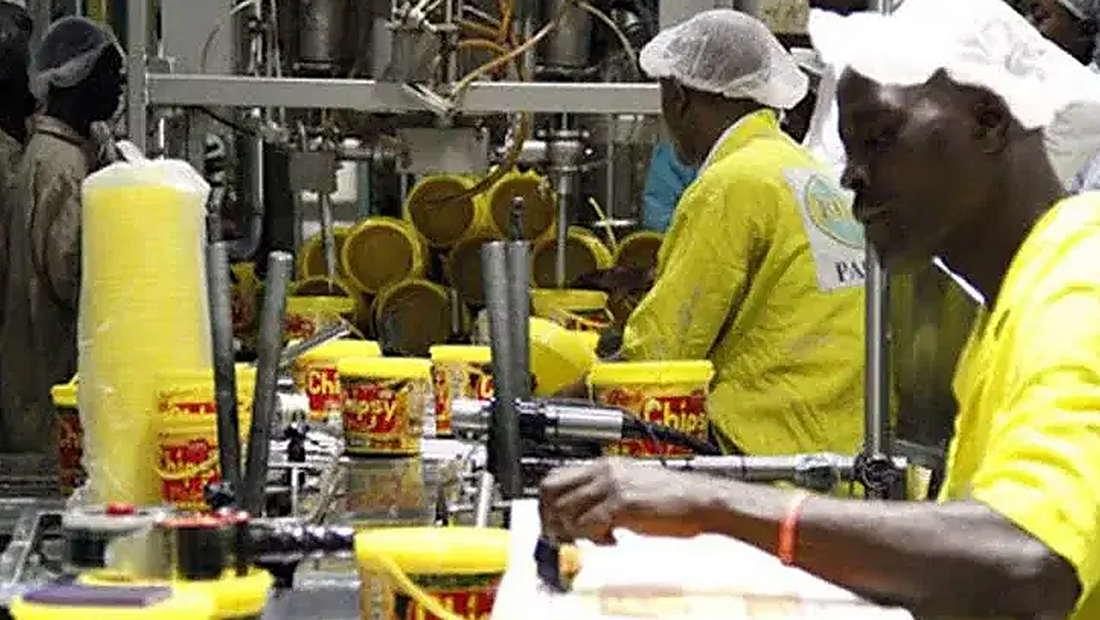
Nigeria’s manufacturing industry recorded stronger output growth in the second quarter of 2026, with its year-on-year expansion reaching 3.2 per cent, up from 1.6 per cent in the same quarter of 2025, signalling a gradual improvement in the country’s industrial performance.
The growth reflects improving macroeconomic conditions, particularly greater stability in the foreign exchange market and a moderation in inflationary pressures, which have provided some relief to businesses grappling with high production costs and supply chain uncertainties.
According to figures from the National Bureau of Statistics (NBS), as reported by Vanguard, the expansion was supported by increased contributions from key industrial segments, including food and beverages, chemicals, pharmaceuticals, cement and refining.
Improved foreign exchange conditions have also created a relatively more predictable environment for manufacturers that depend on imported machinery, raw materials and other production inputs. This has helped businesses improve procurement planning, manage inventories and sustain production activities.
Similarly, the easing of inflationary pressures has offered manufacturers some respite from the persistent escalation in input prices, although the overall cost of doing business remains considerably high.
Notwithstanding the improved growth performance, structural challenges continue to undermine the competitiveness of Nigeria’s manufacturing industry.
Unreliable electricity supply, inadequate transport infrastructure, high logistics expenses and limited access to affordable credit remain significant barriers to increased production and industrial investment.
Manufacturers are particularly affected by the high cost of alternative energy sources, as businesses are often compelled to rely on generators and other costly power solutions to maintain operations. These additional expenses increase production costs and ultimately affect the prices of locally manufactured goods.
Access to financing is another critical concern. High interest rates and expensive credit facilities continue to restrict the ability of many manufacturers, particularly small and medium-sized enterprises, to purchase modern equipment, expand production lines and improve operational efficiency.
Industry observers warn that without deliberate interventions to address these constraints, the gains from improved foreign exchange stability and moderating inflation may not translate into a sustained industrial recovery.
Heightened geopolitical tensions in the Middle East could trigger further volatility in global energy markets, particularly if crude oil and gas supplies are disrupted. An increase in international energy prices could translate into higher domestic transportation, electricity and production expenses.
Furthermore, disruptions to global supply chains may increase the cost and delay the delivery of imported raw materials, machinery and other essential industrial inputs, exposing Nigerian manufacturers to additional operational uncertainties.
These external pressures could place renewed demands on businesses and weaken some of the cost relief achieved through improved domestic economic conditions.
The improvement in manufacturing output underscores the sector’s strategic importance to Nigeria’s economic diversification, employment generation, import substitution and development of local value chains.
However, sustaining the recovery will require coordinated policy measures that go beyond improvements in macroeconomic indicators. Investments in reliable energy infrastructure, efficient transportation networks, accessible long-term financing and a predictable regulatory environment will be critical to strengthening industrial capacity.
Greater support for local manufacturers, particularly SMEs, alongside policies that encourage domestic sourcing of raw materials and technology adoption, could further improve productivity and enhance the competitiveness of Nigerian products.
While the 3.2 per cent growth recorded in the second quarter represents a positive development, the sustainability of the recovery will ultimately depend on the extent to which improved economic conditions translate into lower operating costs, increased investment, expanded production capacity and decent employment opportunities.
Edited by Rosemary Aiyenale
Source: Vanguard Newspaper