
Panteka Artisans Showcase Indigenous Machines, Custom Awards at TETFund Research Fair
ABUJA, November 27, 2026
Artisans from Kaduna’s Panteka Market have showcased locally fabricated agricultural and industrial equipment, food-processing machines and customised award products at the Second Tertiary Education Trust Fund (TETFund) National Research Fair and Exhibition 2026, underscoring the capacity of indigenous craftsmanship to drive local production, innovation and import substitution.
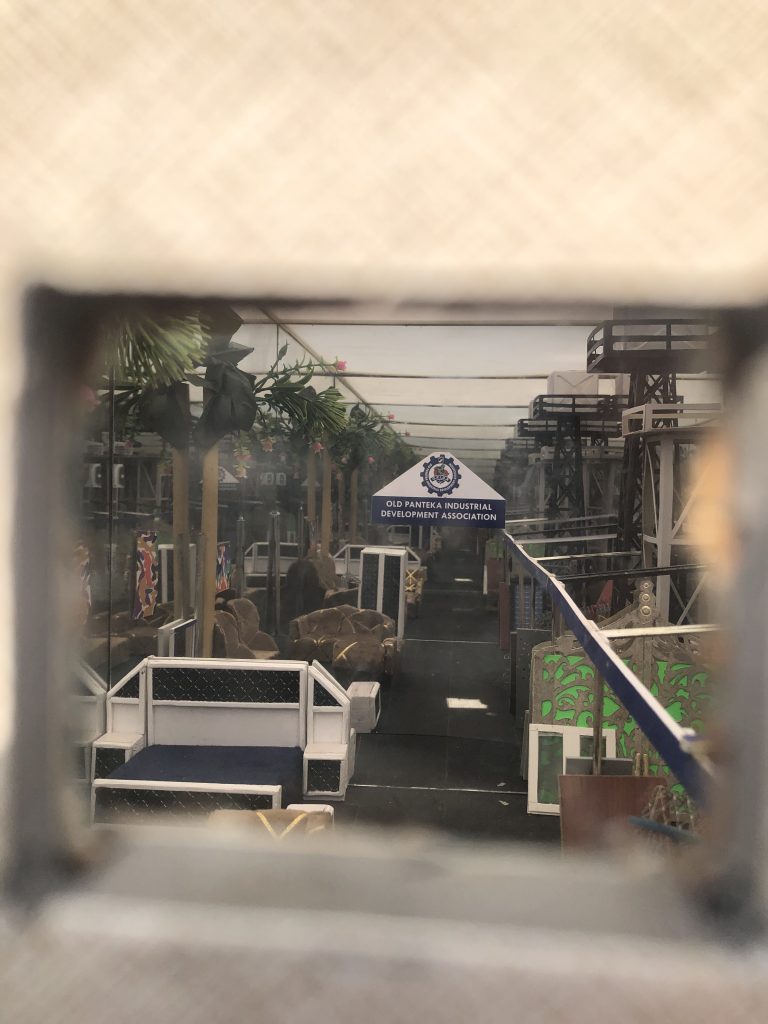
Represented by the Old Panteka Industrial and Artisans Association, Panteka Market, Kaduna, and associated with Kaduna Polytechnic, the artisans exhibited a range of locally developed products designed to address practical challenges in agriculture, food processing, poultry production, manufacturing and household applications.
The exhibition is holding from November 24 to 27, 2026, at the Abuja Trade and Convention Centre of the Abuja Chamber of Commerce and Industry (ACCI), Airport Road, Abuja, under the theme, “Research to Market: Driving Innovation, Enterprise and National Prosperity.” The fair seeks to bridge the gap between research, innovation and commercialisation by connecting inventors and innovators with investors, manufacturers and prospective users.
Speaking on behalf of the artisans, Engineer Nasir Umar Mohammed presented several locally fabricated machines aimed at improving productivity, reducing manual labour and providing affordable alternatives to imported equipment.
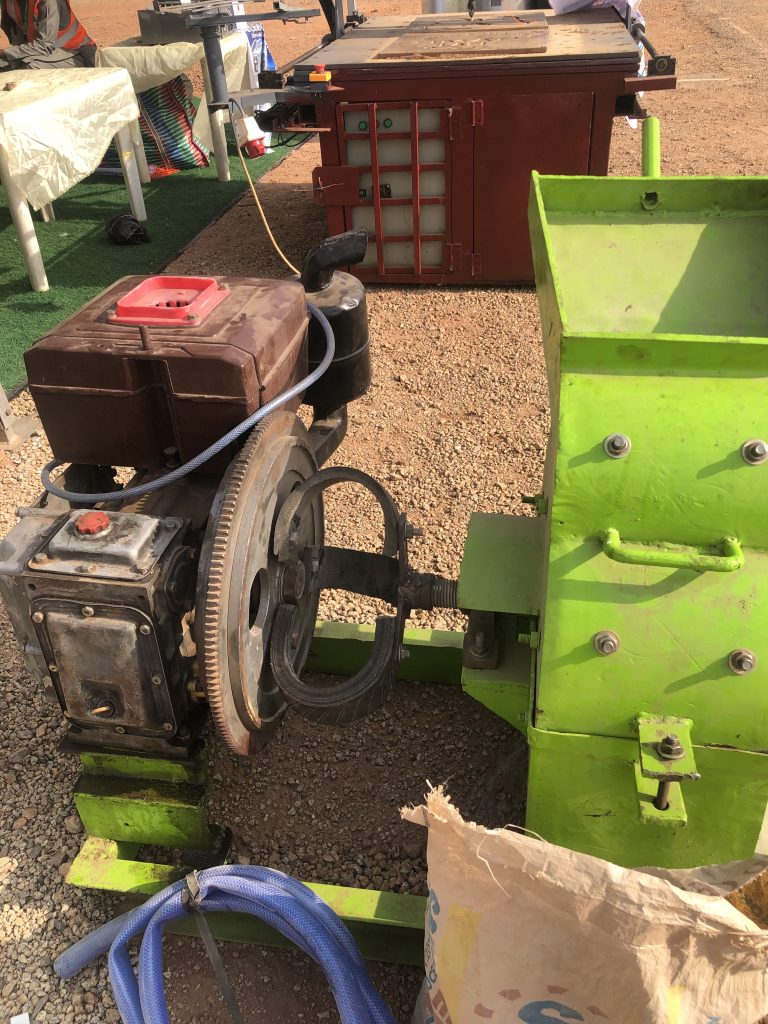
Among the exhibits was a stone-crushing machine designed to process hard stones into sand. Mohammed said the machine could operate continuously for up to 24 hours, subject to operating conditions, demonstrating its potential for use in construction and related industrial activities.
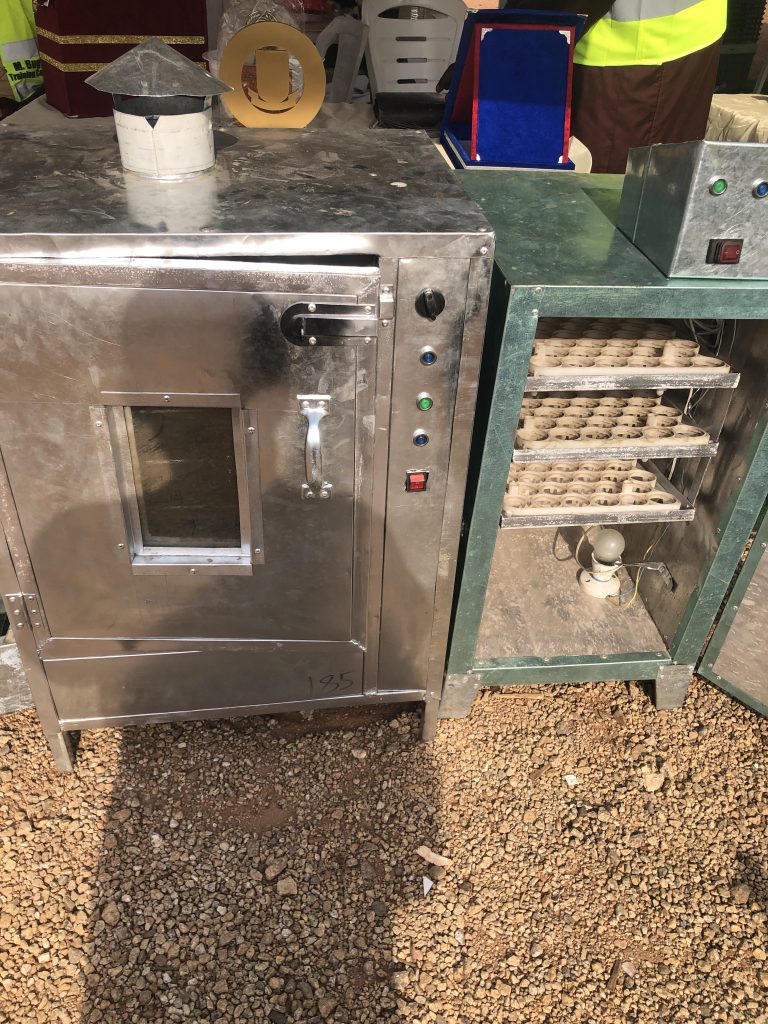
The artisans also displayed a poultry egg incubator designed for household and small-scale poultry production, as well as a tomato-drying machine that uses locally developed technology to preserve tomatoes and reduce post-harvest losses. The dryer can operate on solar energy, electricity or charcoal, offering flexibility for users with varying access to energy.
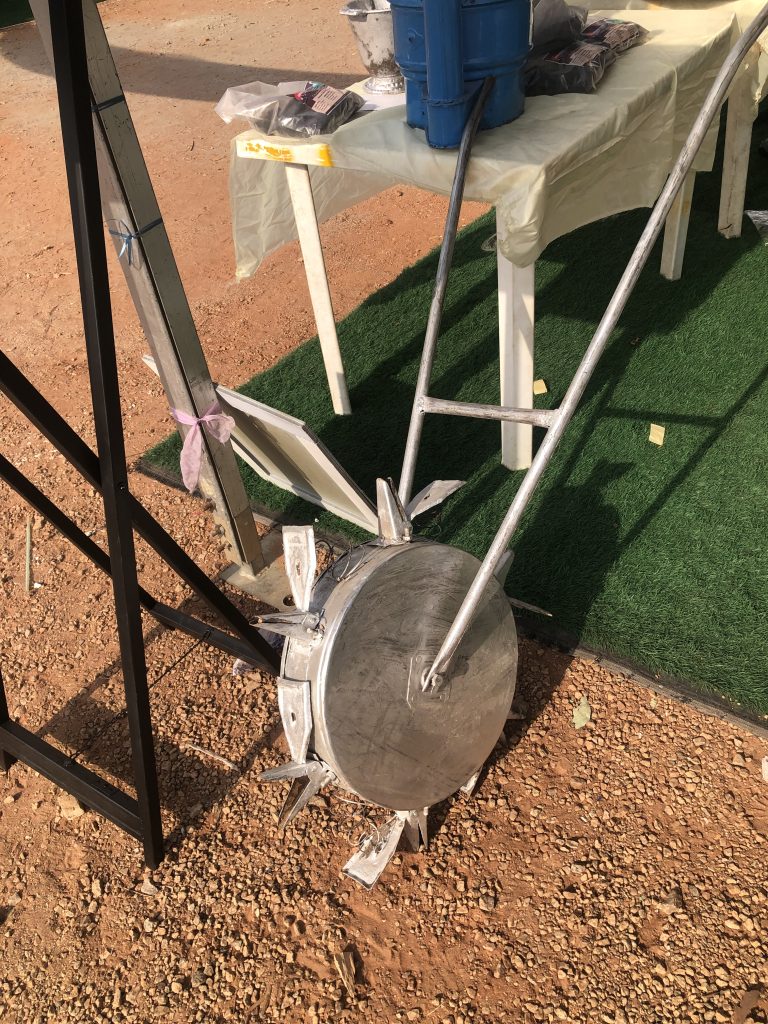
Other innovations included a leaf-oil extraction machine and a manual planter designed to simplify planting operations by opening the soil, dropping seeds and covering them in a single process, thereby reducing the labour required for planting.
A locally fabricated poultry heater, designed to provide warmth to birds without direct contact with the heat source, was also showcased. Mohammed noted that the equipment could be adapted for cooking, while other exhibits included locally produced pots and frying pans for domestic and commercial use.
The artisans further demonstrated a coal-production process developed in Panteka Market, using coal material sourced from Gombe State and a mixture of starch, salt, hydrated lime and dried sugarcane, highlighting the market’s capacity to explore alternative production methods using locally available materials.
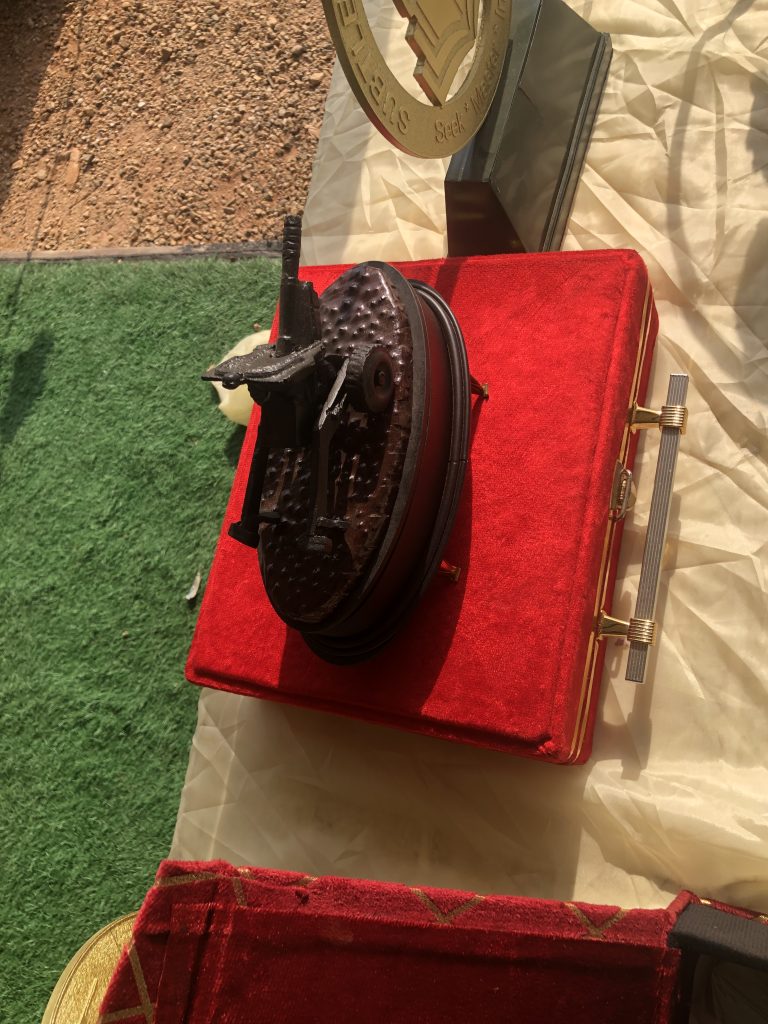
Beyond machinery and agricultural equipment, the exhibition featured locally fabricated trophies, recognition awards, personalised gifts and packaging products by Sally Y. Adamu, founder of Lambo Arts.
Adamu explained that the business produces customised awards using locally sourced materials, incorporating the logos, identities and specifications of organisations and clients. Exhibited works included awards designed for institutions such as the Nigerian Army, Air Force Military School, Jos, the Nigerian Defence Academy (NDA) and the Western Naval Command.
He said locally produced awards offer customers an alternative to imported products, with affordability, flexibility in design and personalised branding among their competitive advantages.
Lambo Arts also produces customised wedding gifts, souvenirs, wooden boxes and packaging materials, with designs incorporating names, dates and other details requested by clients.
Adamu noted that Panteka artisans possess the technical capacity to fabricate a wide range of products, from agricultural implements and industrial equipment to scientific and technical items, while also providing fabrication support for students undertaking practical and project-based assignments.
The participation of Panteka artisans at the TETFund Research Fair highlights the importance of indigenous technical skills, small-scale manufacturing and local innovation in Nigeria’s drive for industrial development and economic diversification.
Their exhibits demonstrate the practical application of fabrication expertise to everyday challenges, including mechanising agricultural operations, improving food preservation, supporting poultry production and developing locally manufactured alternatives to imported products.
The fair offers a platform for artisans and innovators to showcase their capabilities to a wider audience, attract patronage, explore business partnerships and identify opportunities for investment and commercial expansion.
The Panteka exhibition reinforces the need to create stronger linkages between indigenous inventors, research institutions, industry and the organised private sector to ensure that locally developed technologies move beyond workshops and exhibitions into sustainable businesses, wider production and the marketplace.
Edited by Rosemary Aiyenale