
From Workshop to Innovation Showcase: Hadi Usman’s 49-Year Journey of Indigenous Inventions

ABUJA, November 28, 2026
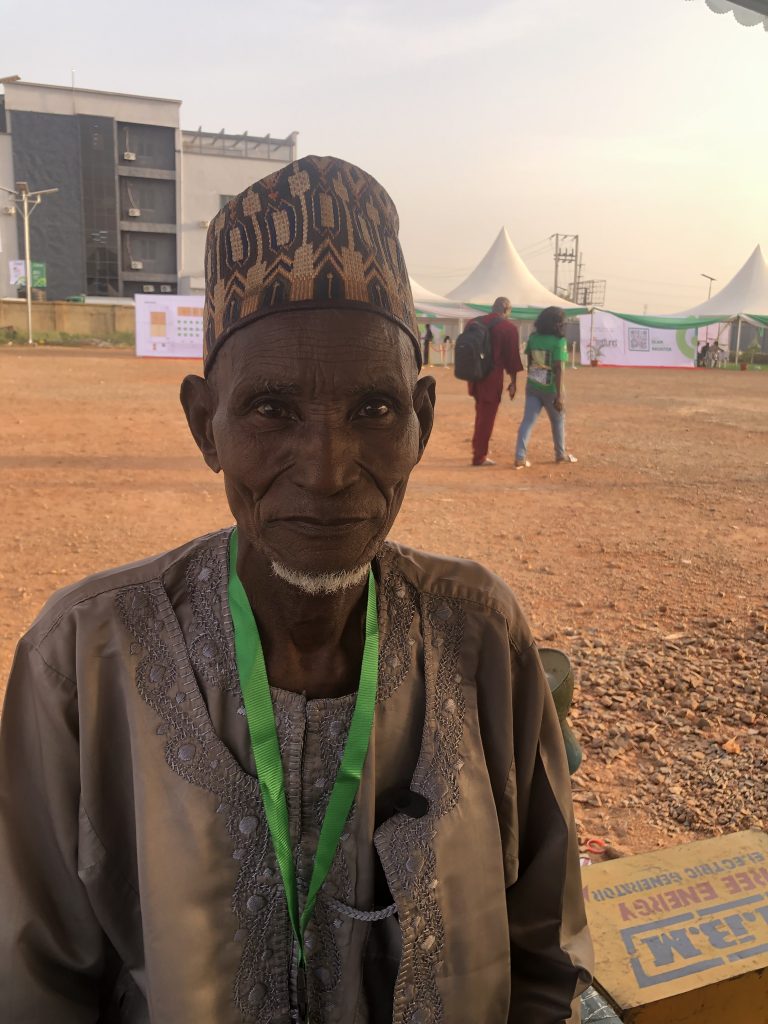
From experimenting with electronics as a young boy in 1971 to developing dozens of devices and training more than 1,000 young people in technical skills, Dr Hadi Usman has spent nearly five decades exploring indigenous innovation and promoting self-reliance through technology.
Dr Usman, who is collaborating with Gombe State University, showcased an array of locally developed electronic devices, energy-related prototypes and a water pump at the ongoing 2nd TETFund National Research Fair and Exhibition 2026 in Abuja, highlighting his longstanding interest in practical inventions and indigenous technology development.
The exhibition featured electronic components, power-generation prototypes and an irrigation pump, representing a journey he says has yielded 78 inventions between 1971 and 2020.
Dr Usman’s interest in electronics and invention dates back to 1971, when he began experimenting with ideas and developing devices.
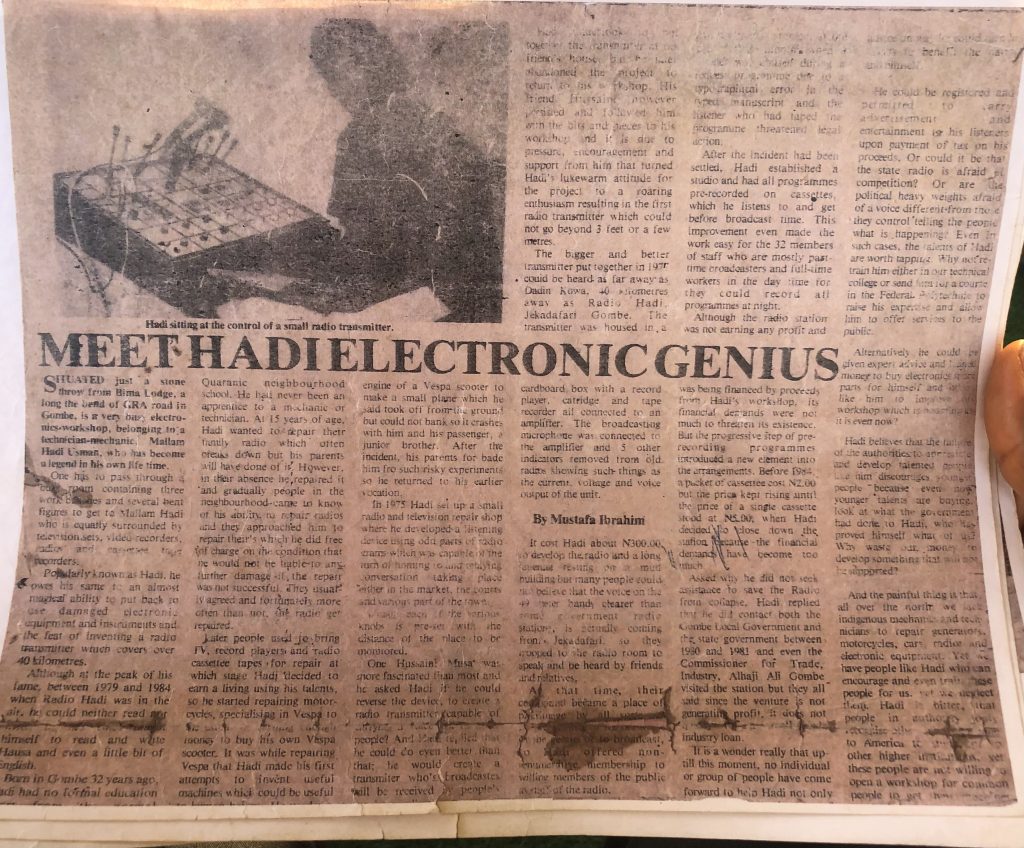
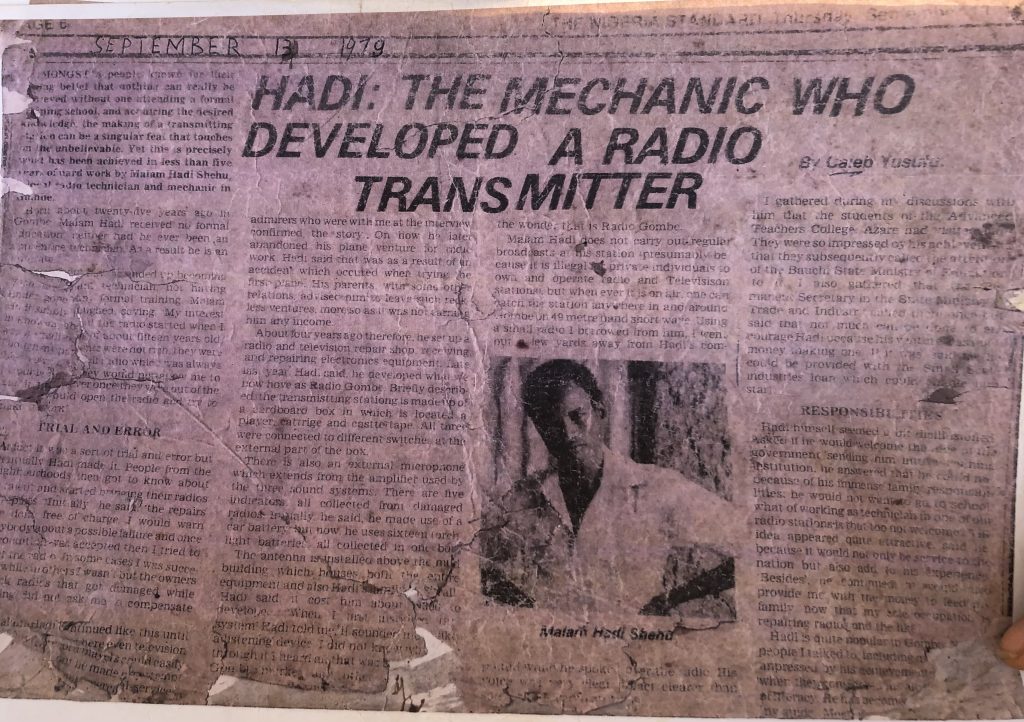
In 1986, his invention of a radio transmitter attracted media attention and was reportedly featured in Concord News. Four years later, in 1990, he established his own electronics workshop, providing repair and technical services for electrical and electronic equipment.
His work subsequently received coverage in News Triumph, further drawing attention to his efforts in electronics and indigenous technical development.
Over the years, his areas of practice have expanded to include solar technology, satellite installation, electrical and electronics engineering, as well as the production of components such as capacitors, resistors and transformers.
Among the prototypes displayed at the exhibition was a generator Usman described as a free-energy device, which he said operates without conventional fuel or solar power and can be connected to a 12-volt car battery.
He also presented other generator prototypes, including one he claimed could produce up to 75 volts, demonstrating his continued experimentation with alternative power-generation concepts.
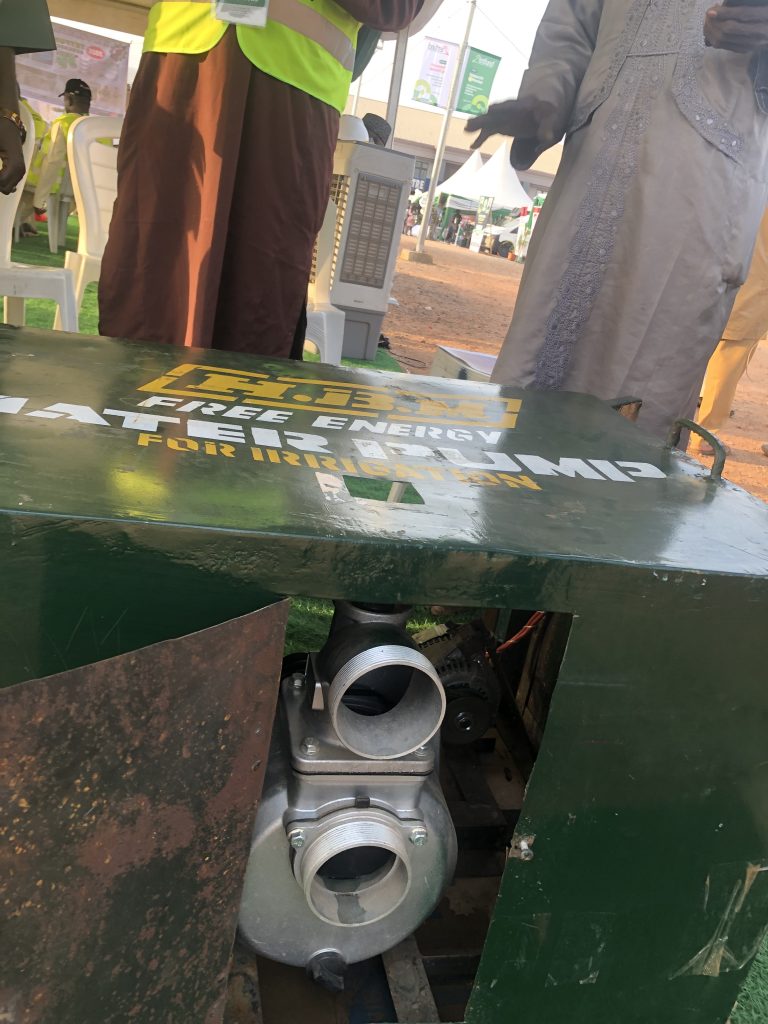
Another innovation on display was a locally fabricated water pump designed for irrigation without fuel or oil. Usman explained that the system uses an alternator to charge a battery, which powers the machine, while the machine also charges the battery during operation.
He described the arrangement as a way of sustaining the system’s power supply. However, the energy-generation claims and operating principle of the prototypes would require independent technical evaluation to establish their efficiency, energy balance and practical viability.
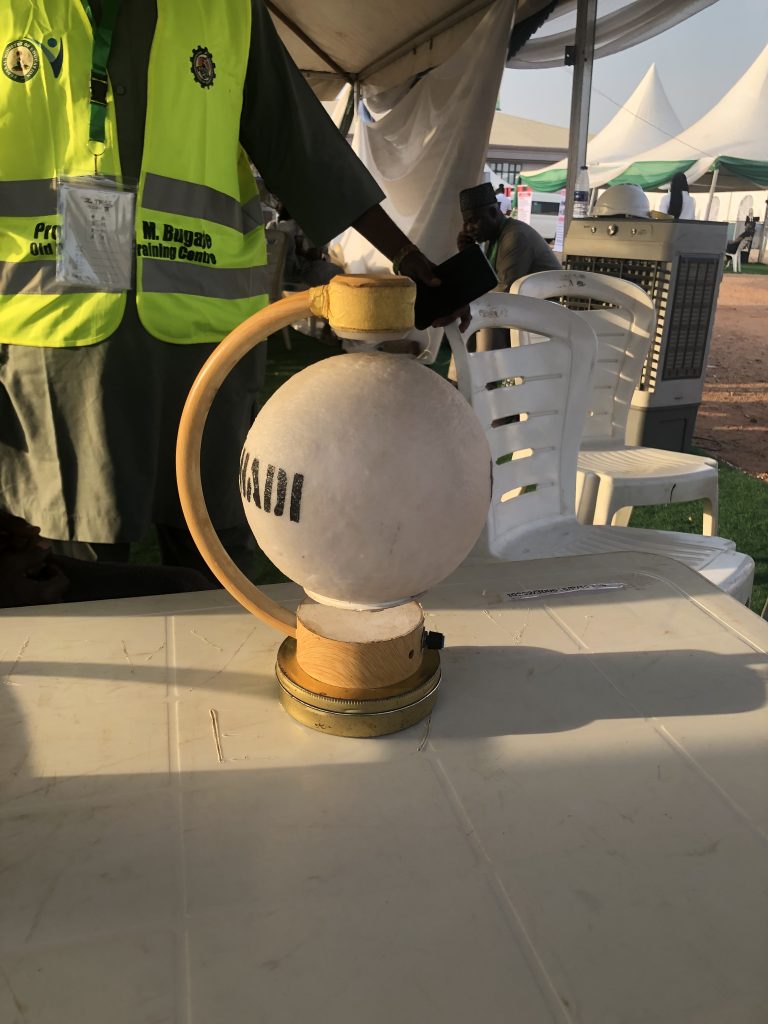
Dr Usman also showcased a device he described as capable of suppressing gravity, explaining that his research was driven by the possibility of developing technology that could prevent objects, including mobile phones, from falling when dropped.
The concept reflects his interest in exploring unconventional engineering applications and pushing the boundaries of his experimentation.
Gravity suppression, however, is not an established capability of conventional science and engineering. The device’s claimed effects would therefore require controlled testing and independent verification before any practical application could be established.
Beyond his inventions, Usman said he had trained more than 1,000 young people in electronics and satellite installation, equipping them with practical skills for employment, entrepreneurship and economic independence.
He believes young Nigerians can reduce dependence on scarce formal employment opportunities by acquiring technical skills, developing practical solutions and building businesses around their expertise.
His workshop has served as a platform for hands-on training, equipment repairs and the development of locally fabricated electronic devices, reinforcing his advocacy for vocational skills and technical knowledge as pathways to self-reliance.
His participation in the TETFund National Research Fair and Exhibition underscores the importance of creating platforms where indigenous inventors, technical practitioners, researchers, universities and industry players can engage, exchange ideas and explore opportunities for collaboration.
Dr Usman collaboration with Gombe State University could provide an avenue for further documentation, technical assessment, research validation and possible development of some of his prototypes.
As Nigeria continues to pursue industrial growth, local manufacturing and technological self-reliance, the story of Usman highlights the potential of grassroots innovation and the need to support inventive minds through research, technical evaluation, mentorship, institutional partnerships and opportunities for commercialisation.
Beyond the number of inventions claimed, his decades-long commitment to experimentation and his investment in training young people offer a compelling reminder that innovation thrives when curiosity is sustained, practical knowledge is nurtured and local talent is given the opportunity to grow.
Edited by Rosemary Aiyenale