
Federal Polytechnic Bauchi Unveils Smart Seeder, AI Drone, Solar-Wind Tricycle at TETFund Fair

ABUJA, November 28, 2026
Researchers from the Federal Polytechnic Bauchi have showcased locally developed engineering innovations, including a smart agricultural seeder, an artificial intelligence-powered spraying drone and a solar-wind hybrid tricycle, at the ongoing TETFund National Research Fair and Exhibition 2026 in Abuja.
The innovations, presented by Engr. Abubakar AbdulKadir of the Department of Electrical and Electronics Engineering, reflect the institution’s efforts to develop practical technologies for agriculture, waste management, transportation and technical education.
Engr AbdulKadir, who was accompanied by Architect Osunkunle Abdulmajid, Deputy Director of Research and Development at the polytechnic, said the prototypes were designed to address practical challenges while promoting indigenous engineering capabilities and technological self-reliance.
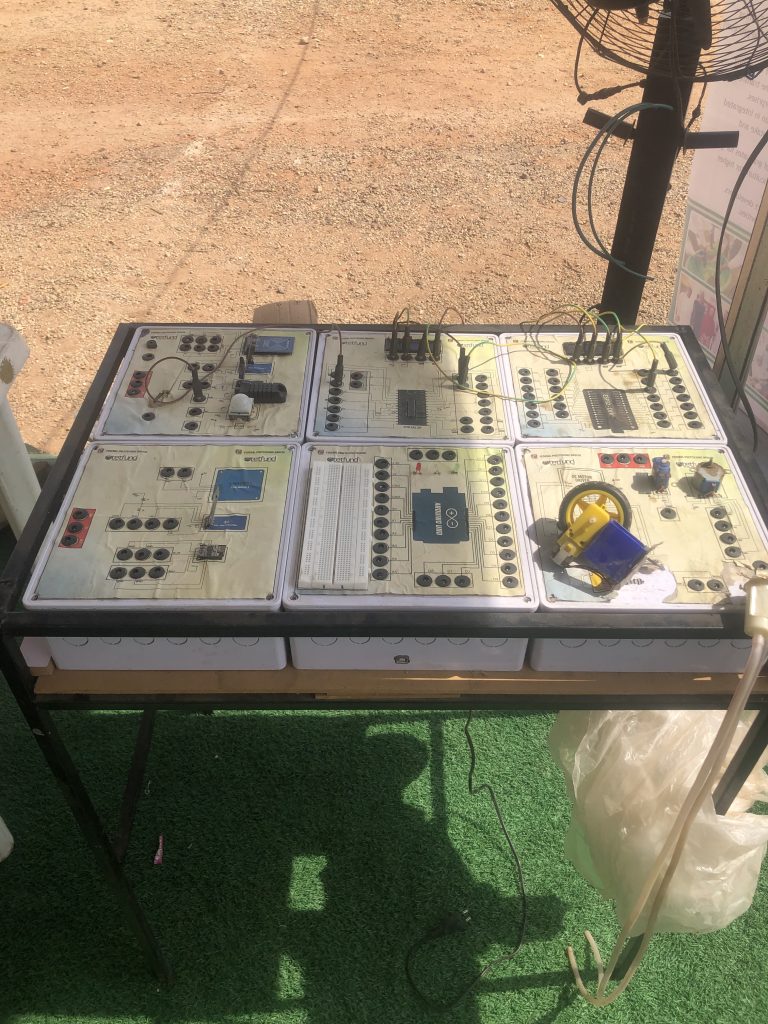
Among the exhibits was an Embedded Electronic Trainer System, a locally developed instructional platform comprising six modules, including a DC motor driver, GSM module, ESP32 development board, radio frequency identification (RFID) module and microcontroller-based components.
The trainer is designed to provide students with hands-on experience in electronics, embedded systems and the configuration of electronic applications used in mobile devices, smart-card technology, computer equipment and robotics, strengthening practical learning in technical education.
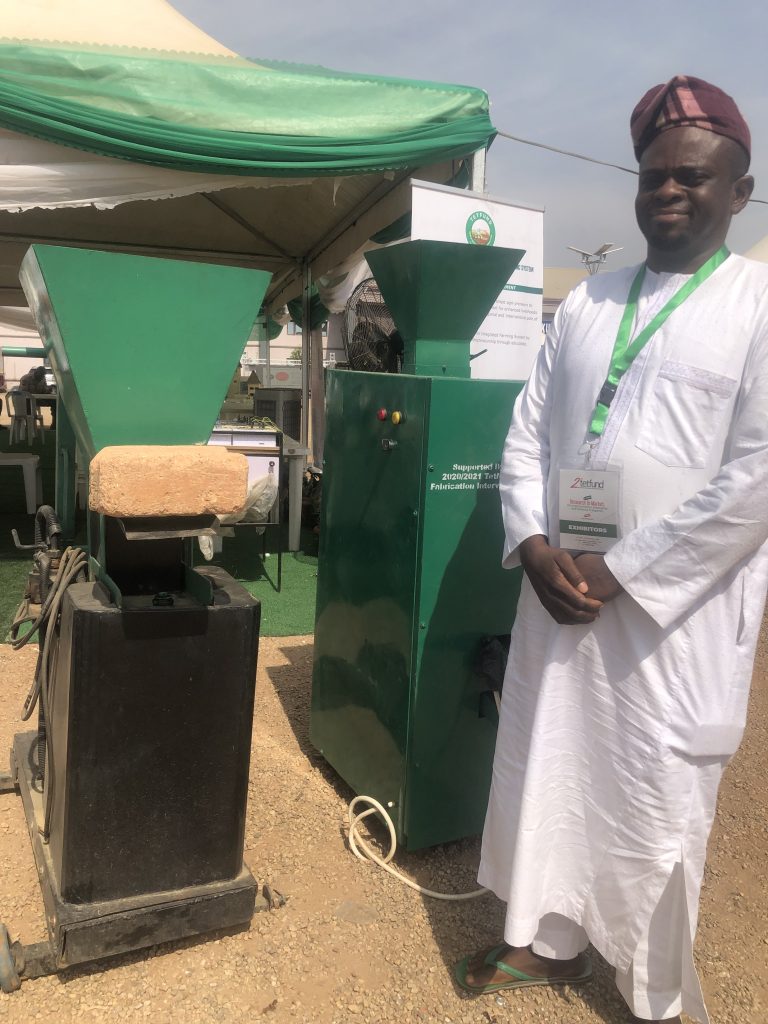
The institution also displayed a locally fabricated glass-crushing machine designed to process discarded glass into smaller materials for reuse and further processing. The machine offers a potential solution to glass waste management while demonstrating how locally manufactured equipment can support recycling and resource recovery.
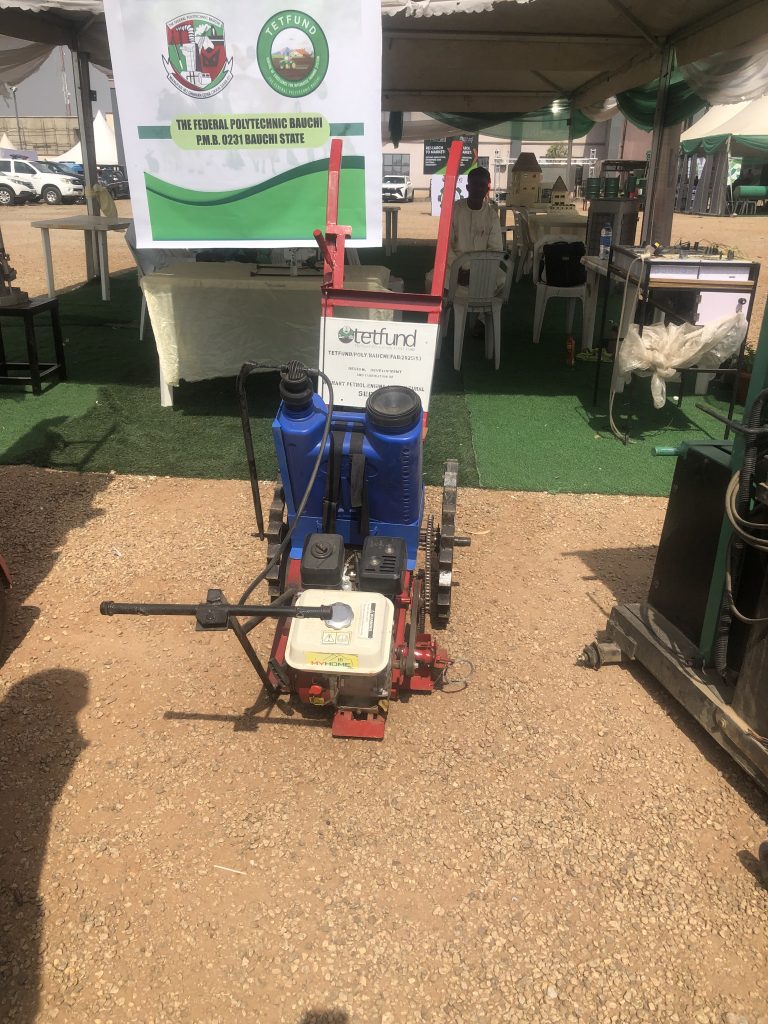
In the agricultural sector, the polytechnic showcased a smart, petroleum-powered seeder capable of performing three operations—planting seeds, covering the holes after planting and spraying chemicals for crop protection. By integrating these functions into one machine, the innovation is intended to reduce labour, save time and improve efficiency during planting and crop treatment.
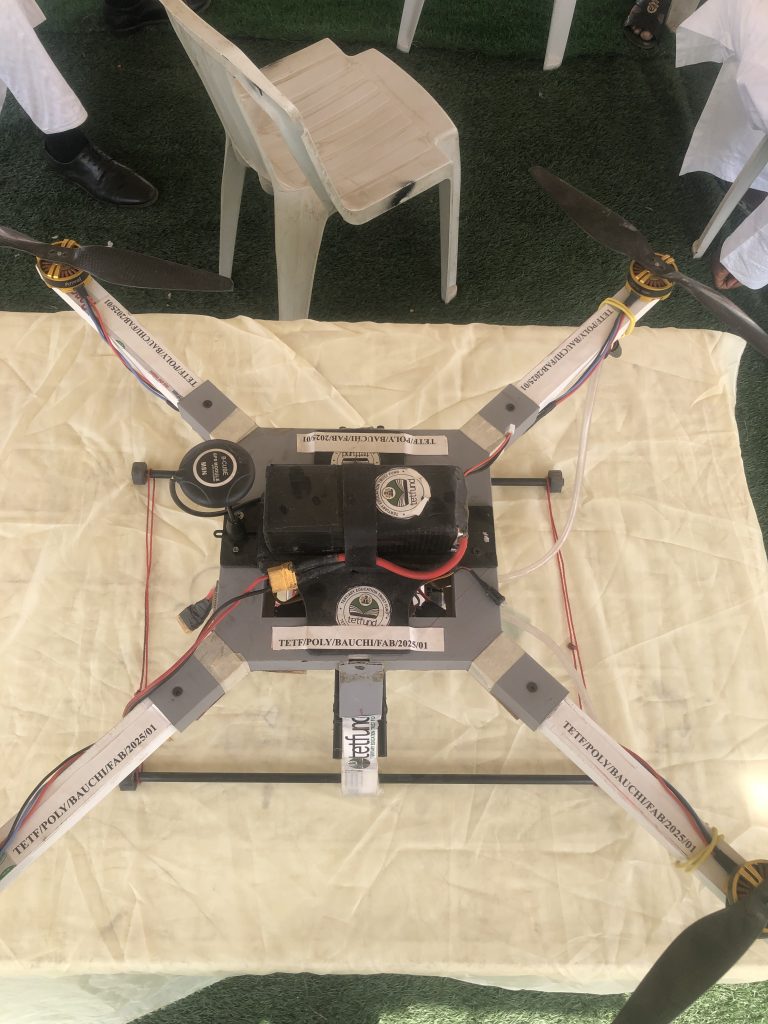
Another major attraction was an AI-enabled agricultural drone designed to improve precision in weed control and chemical spraying. According to AbdulKadir, the drone uses coordinate mapping to track its spraying route, monitor areas already covered and minimise missed spots or unnecessary repeat applications.
He explained that the drone is also designed to return to a designated station for chemical refilling when its supply is exhausted, after which it can resume spraying from where it stopped, potentially improving efficiency and reducing human error in farm operations.
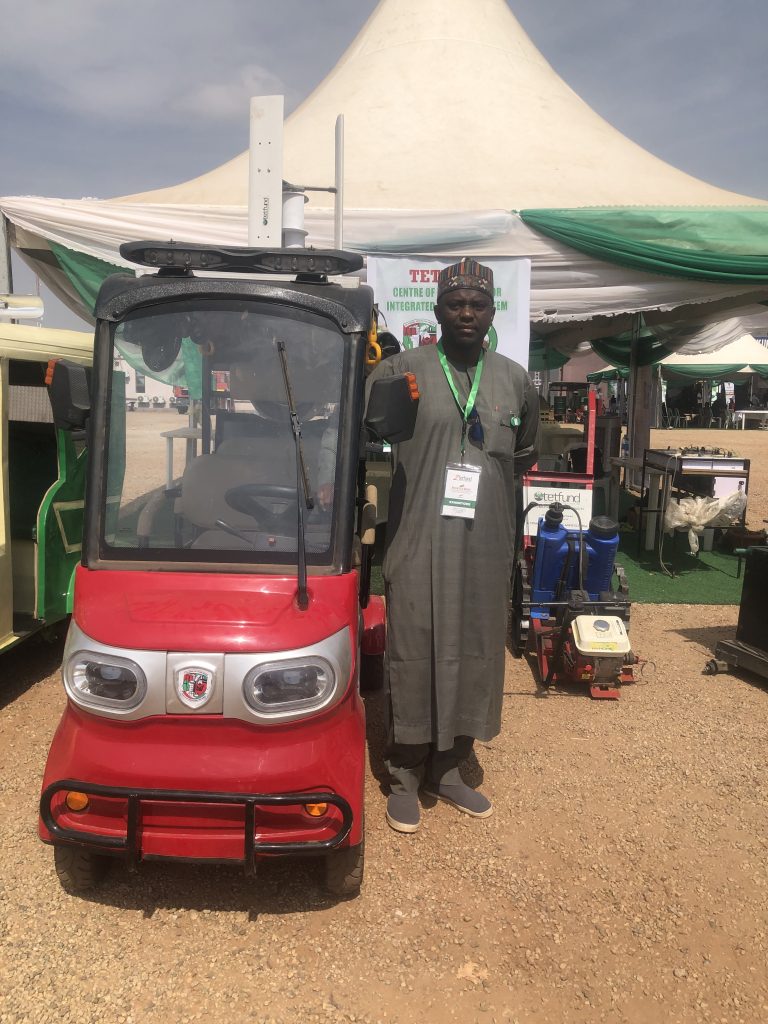
The researchers further presented a solar-wind hybrid quadricycle, described by AbdulKadir as a quad-tricycle, which combines solar panels and a wind turbine to generate electricity for its battery system. Equipped with charge controllers, the prototype is designed to operate without conventional fuel, with the inventor projecting a travel range of up to 150 kilometres and describing it as a potentially low-maintenance alternative to fuel-powered transportation.
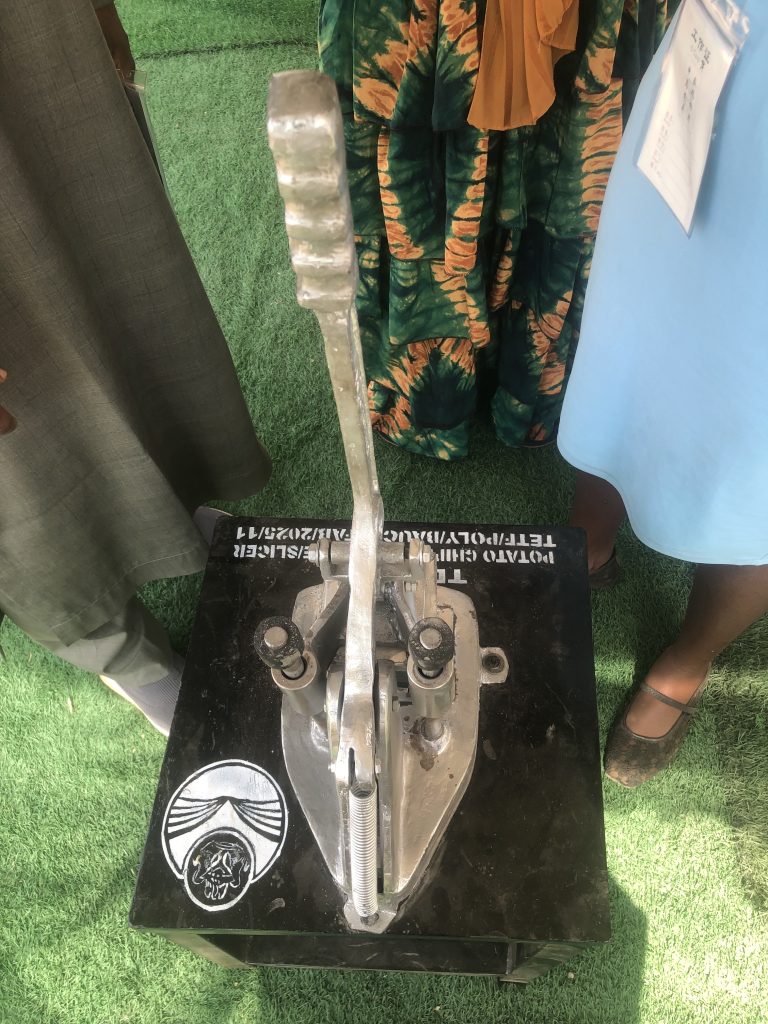
The exhibition also featured a manual potato slicer designed for processing potatoes and yams into slices for food preparation and commercial use. The device is intended to help food vendors, small-scale processors and other enterprises handle produce more efficiently, reinforcing the role of locally fabricated equipment in supporting small businesses and agro-processing.
The innovations underscore the growing role of polytechnic institutions in translating engineering knowledge and research into practical solutions with potential applications across agriculture, manufacturing, environmental management and enterprise development.
The TETFund National Research Fair provides a platform for institutions to showcase indigenous inventions to industry stakeholders, investors, potential users and other partners, creating opportunities for collaboration, technology adoption and commercialisation.
As Nigeria intensifies efforts to strengthen local production, reduce dependence on imported technologies and promote innovation-led economic growth, the Federal Polytechnic Bauchi exhibits highlight the importance of supporting applied research, technical skills development and pathways for home-grown inventions to move from prototypes to market-ready solutions.
Edited by Rosemary Aiyenale