Dangote Refinery Secures Approval for Historic IPO
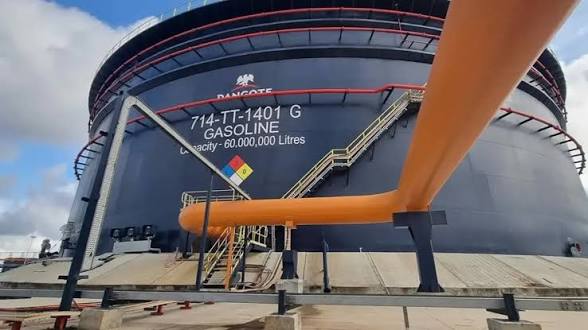
LAGOS, Dangote Petroleum Refinery announced on Friday, September 4, 2026, that it had secured approval from Nigeria’s Securities and Exchange Commission for its initial public offering, clearing the way for what could become the largest share sale in African history.
The proposed offer will involve the sale of about 4.1 billion ordinary shares at ₦525 per share. If fully subscribed, the transaction could raise approximately ₦2.15 trillion, equivalent to about $1.63 billion.
The offering is also expected to include a 15 per cent greenshoe option, allowing additional shares to be sold if investor demand exceeds the original allocation. The order book is reportedly scheduled to open on September 14, although the final timetable and conditions will be contained in the approved offer documents.
The SEC has also registered the refinery company’s existing 120.13 billion ordinary shares. At the proposed offer price, the registration implies a valuation of approximately $47 billion for the business.
The approval marks a significant change from the regulator’s position in June, when it ordered capital-market operators to stop promoting the proposed IPO because no application had, at that time, been filed with or approved by the commission.
The SEC also warned investors against making advance payments or commitments based on unauthorised promotional materials. With regulatory approval now secured, the refinery can proceed with the formal processes required to launch the offer.
A signing ceremony with the Nigerian Exchange is expected to take place in the coming week, according to people familiar with the transaction.
Located in the Lekki Free Trade Zone in Lagos, the refinery was built at a cost of about $20 billion. It has an installed processing capacity of 650,000 barrels of crude oil per day and is regarded as the world’s largest single-train petroleum refinery.
The facility has become central to Nigeria’s efforts to reduce its longstanding dependence on imported refined petroleum products. It has also expanded Nigeria’s role in regional and international energy markets by supplying petrol, diesel, aviation fuel and other petroleum products to buyers within Africa and beyond.
Aliko Dangote, President of the Dangote Group, said during a business meeting in Botswana on Thursday that the public offer would open within days. He has also disclosed plans to double the refinery’s capacity to 1.4 million barrels per day.
Proceeds from the offering are expected to support the expansion programme, strengthen the refinery’s finances and broaden public ownership of one of Africa’s most important industrial assets.
The reported $47 billion valuation is likely to attract close scrutiny from institutional investors and market analysts, particularly when compared with established international refining companies. However, the refinery’s size, strategic location, export potential and position within Africa’s growing energy market could strengthen its appeal to investors.
The transaction follows a private placement concluded in July, which reportedly valued the refinery at about $40 billion. Investor demand for that placement was said to have been strong, providing an early indication of interest ahead of the public offering.
A successful IPO would have significant implications for the Nigerian Exchange. It could substantially increase market capitalisation, attract domestic and international investment and give Nigerian retail investors an opportunity to own part of an industrial project that is reshaping the country’s petroleum sector.
Investors will nevertheless be expected to examine the approved prospectus carefully. Important considerations will include the refinery’s debt position, crude oil supply arrangements, foreign-exchange exposure, operating margins, dividend policy and the proposed use of the funds raised.
If completed as planned, the Dangote Refinery IPO will be more than a landmark corporate transaction. It will test the depth of Nigeria’s capital market and its capacity to mobilise African savings for large-scale industrial development.
Source: Reuters, September 4, 2026.