ECOWAS Parliament Seeks Urgent Regional Action on Climate Crisis
ACCRA, September 22, 2026
The ECOWAS Parliament has called for urgent and practical measures to address the growing impact of climate change, warning that environmental degradation is increasingly threatening livelihoods, communities and regional stability across West Africa.
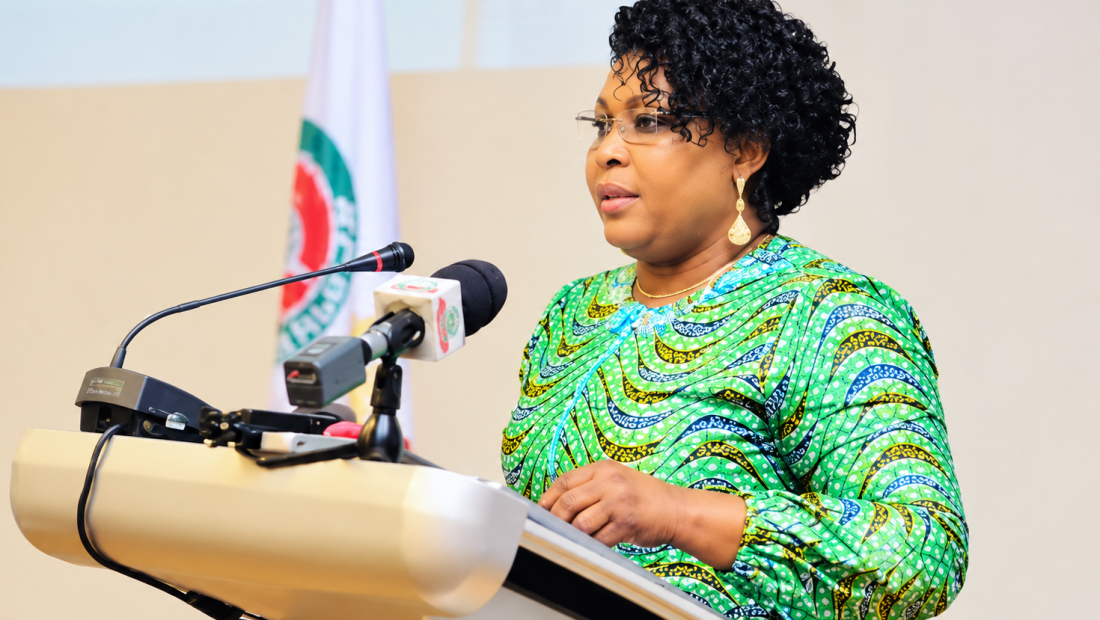
The call was made by the Speaker of the ECOWAS Parliament, Hadja Mémounatou Ibrahima, during the Parliament’s Second Parliamentary Seminar of the Sixth Legislature and Second Extraordinary Session in Accra, Ghana.
The seven-day seminar, which began on September 21, is focused on the theme, “Climate Change as a Driver of Environmental Degradation, Population Displacement and Growing Insecurity in the ECOWAS Region.”
Ibrahima said the consequences of climate disruption were already being experienced by communities through declining agricultural productivity, coastal erosion, flooding, loss of livelihoods and population displacement.
She stressed that the climate crisis should not be considered only through statistics and scientific projections, but also in terms of its direct effects on people’s living conditions, dignity and security.
The Speaker urged regional lawmakers to combine scientific and technical expertise with the lived experiences of communities and their constituencies in developing practical responses to climate-related challenges.
She said the dialogue between technical knowledge and realities on the ground could help generate proposals capable of addressing the challenges confronting communities across the sub-region.
The seminar is expected to examine the relationship between climate change, environmental degradation, population movements and insecurity, while considering possible coordinated responses at the regional level.
Business Implications
For businesses, the discussions carry important implications for climate resilience and the stability of the regional operating environment. Climate-related disruptions can affect agriculture, infrastructure, supply chains, energy systems and local economies.
Greater regional attention to climate adaptation could also create opportunities for private-sector participation in areas such as climate-smart agriculture, renewable energy, resilient infrastructure, environmental management and related green-economy activities.
As ECOWAS lawmakers consider regional responses, stronger climate resilience could therefore become increasingly relevant to investment planning, business continuity and sustainable economic development across West Africa.
Source: News Agency of Nigeria (NAN), with additional verification from Ghana News Agency and other reports.