NAFDAC Intensifies Crackdown on Illegal Pesticides, Warns of Threat to Food Safety and Agricultural Exports
Agency seizes over ₦800m worth of banned agrochemicals in 2025, strengthens enforcement to protect consumers, farmers and trade
Abuja – October 26, 2026
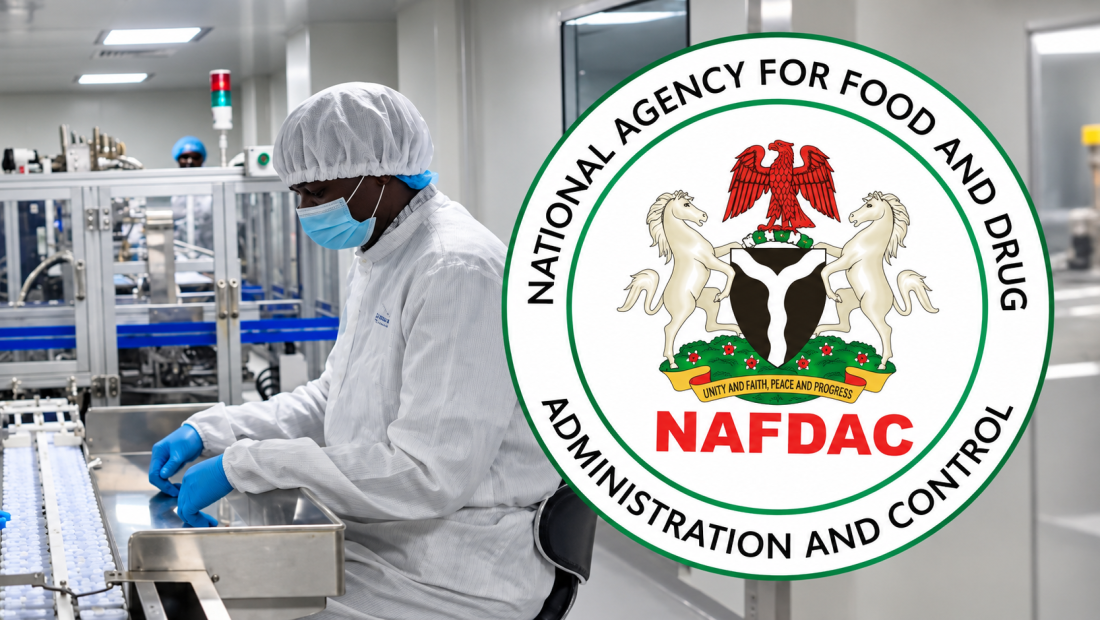
The National Agency for Food and Drug Administration and Control (NAFDAC) has intensified its crackdown on banned, counterfeit and unregistered pesticides in Nigeria, warning that unsafe agrochemicals threaten public health, agricultural productivity, food security and the country’s export competitiveness.In a statement released on October 9, 2026, NAFDAC Director-General, Prof. Mojisola Christianah Adeyeye, reaffirmed the agency’s commitment to strengthening regulatory oversight and enforcement to prevent illegal pesticide products from entering Nigeria’s agricultural value chain.
According to the agency, enforcement operations in 2025 resulted in the seizure of banned agrochemicals valued at more than ₦800 million across Ogun, Ondo, Osun and Oyo states. Between September 2024 and July 2026, operations in the North-West also led to the seizure or interception of 2,974 cartons of pesticides containing banned paraquat, valued at approximately ₦148.7 million. NAFDAC further reported seizures of chlorpyrifos-containing products and other prohibited agrochemicals in Kebbi State.The agency identified the illegal importation, unauthorised production and circulation of prohibited pesticides as persistent regulatory challenges.
In July 2026, it sealed four unauthorised agrochemical manufacturing facilities in Bichi, Kano State, as part of efforts to curb the production and distribution of unsafe agricultural inputs.Beyond regulatory violations, NAFDAC warned that the misuse of pesticides could leave harmful chemical residues in food, exposing consumers to potential health risks. The agency cited a market study on beans that identified pesticide residues, including pyrethroids and dimethoate, at levels exceeding applicable safety limits.
The implications extend beyond public health to Nigeria’s agricultural trade. Produce containing pesticide residues above permissible limits may be rejected in domestic and international markets, exposing farmers, processors, exporters and other businesses across the agricultural value chain to financial losses. Such rejections could also undermine confidence in Nigerian agricultural products and constrain access to export markets.
To strengthen its response, NAFDAC disclosed plans to expand its investigation and enforcement zonal offices from three to six. The agency also highlighted increased collaboration with government institutions, law-enforcement agencies, farmers and agro-input dealers to improve compliance and prevent illegal products from reaching end users.
NAFDAC urged pesticide manufacturers and importers to comply with product registration requirements, distributors to obtain supplies through legitimate channels, and farmers to use only approved pesticides in strict accordance with label instructions. It also encouraged members of the public to report suspected illegal or unsafe pesticide products through its official reporting channels.
The agency maintained that protecting public health and promoting agricultural growth must go hand in hand, stressing that safe and compliant agricultural inputs are essential to food security, environmental protection and Nigeria’s competitiveness in domestic and international markets.
Edited by Rosemary Aiyenale
Source: New Agency of Nigeria