
Nigeria-China Tourism Partnership Opens New Investment Frontiers.
ABUJA — Nigeria’s tourism sector could unlock new investment, enterprise and employment opportunities as the country deepens cooperation with China in hospitality, tourism technology, skills development and destination management.
The emerging partnership is expected to create opportunities not only for government institutions but also for private-sector operators across hospitality, transportation, aviation, food services, entertainment, technology, accommodation, tour operations and cultural industries.
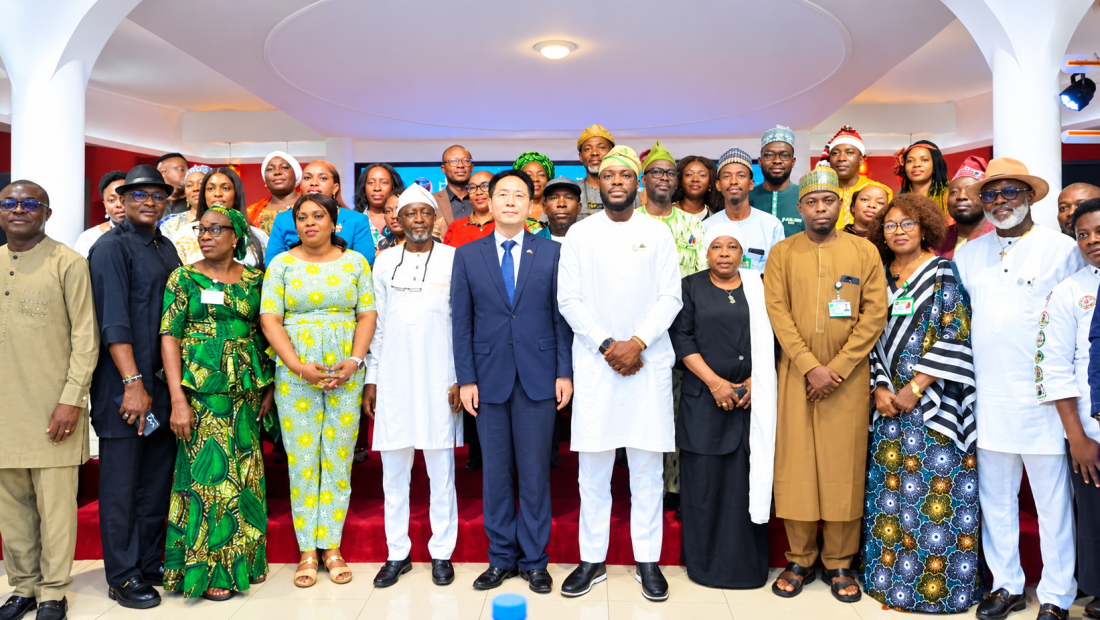
The development followed a seminar on China’s Tourism Development Experience in Abuja, which brought together Nigerian and Chinese stakeholders to examine how lessons from China’s tourism growth could support the development of Nigeria’s tourism economy.
The seminar was organised by the China Cultural Centre in Nigeria (CCCIN), the National Institute for Hospitality and Tourism (NIHOTOUR) and the Nigerian Tourism Development Authority (NTDA).
A major focus of the engagement was the potential to move tourism cooperation beyond cultural exchange towards practical economic partnerships involving investment, skills development, technology transfer and business-to-business collaboration.
The Cultural Counsellor of the Chinese Embassy in Nigeria and Director of the China Cultural Centre, Mr Yang Jianxing, highlighted tourism talent development, vocational education, hotel management, eco-tourism, cultural heritage preservation, digitalisation, destination marketing and business partnerships as areas where Nigeria and China could deepen cooperation.
He also pointed to China’s experience in areas such as public tourism services, destination development, smart tourism, market promotion and talent development as providing useful lessons for Nigeria.
For Nigeria, the relevance of such cooperation lies in the potential to build a stronger tourism value chain capable of generating business opportunities beyond traditional hospitality services.
A more developed tourism ecosystem could stimulate demand for accommodation, restaurants, transport services, travel agencies, entertainment, event management, creative content, digital platforms, local handicrafts and other services provided by Nigerian businesses.
The Director-General and Chief Executive Officer of NIHOTOUR, Dr Abisoye Fagade, also emphasised the importance of translating Nigeria-China relations into practical outcomes in skills, investment, employment and institutional development.
He stressed the need for Nigeria to draw lessons from China’s experience while adapting them to the country’s own economic and social realities.
This approach is particularly important as Nigeria seeks to diversify its economy and strengthen non-oil sources of growth. Tourism, when supported by the right infrastructure, investment environment and skills base, can contribute significantly to the services economy while creating opportunities for micro, small and medium-sized enterprises.
The Nigeria-China relationship also provides an avenue for Nigerian tourism businesses to gain exposure to international expertise and explore partnerships in areas such as hospitality management, tourism technology, destination promotion, training and tourism infrastructure.
For Chinese investors and tourism companies, Nigeria presents a large domestic market, significant cultural diversity and a wide range of tourism assets that could support new commercial ventures when backed by appropriate infrastructure and investment frameworks.
The opportunity, however, will depend on Nigeria’s ability to address some of the structural constraints affecting the tourism industry, including infrastructure deficits, destination accessibility, skills gaps, financing challenges, inadequate tourism data and the need for stronger coordination among stakeholders.
Greater private-sector participation will therefore be critical to converting tourism potential into commercially viable businesses and sustainable jobs.
The seminar also comes against the backdrop of 55 years of diplomatic relations between Nigeria and China, providing an opportunity to deepen people-to-people and business-to-business connections between both countries.
For the organised private sector, stronger tourism cooperation should ultimately translate into investment flows, partnerships, technology transfer, skills development and increased movement of people and businesses.
The opportunity also extends to Nigeria’s creative economy, where cultural products, entertainment, festivals, film, fashion, cuisine and heritage can be developed into commercially viable tourism experiences capable of attracting both domestic and international visitors.
From a business perspective, therefore, the emerging Nigeria-China tourism cooperation represents more than an initiative for cultural exchange. It provides an opportunity to develop tourism as a competitive economic sector capable of attracting capital, supporting enterprises, creating employment and strengthening Nigeria’s position in the global tourism market.
The challenge now is to translate dialogue into bankable projects, stronger institutions and sustained private-sector partnerships that can deliver measurable economic value.
For Nigeria, the next phase of tourism development must be about turning its abundant tourism assets into investable opportunities, and ensuring that Nigerian businesses are positioned to capture the value created.
Source: Nigeria Today.