Nigeria Mining Week 2026: Stakeholders Seek Stronger Investment, Local Processing
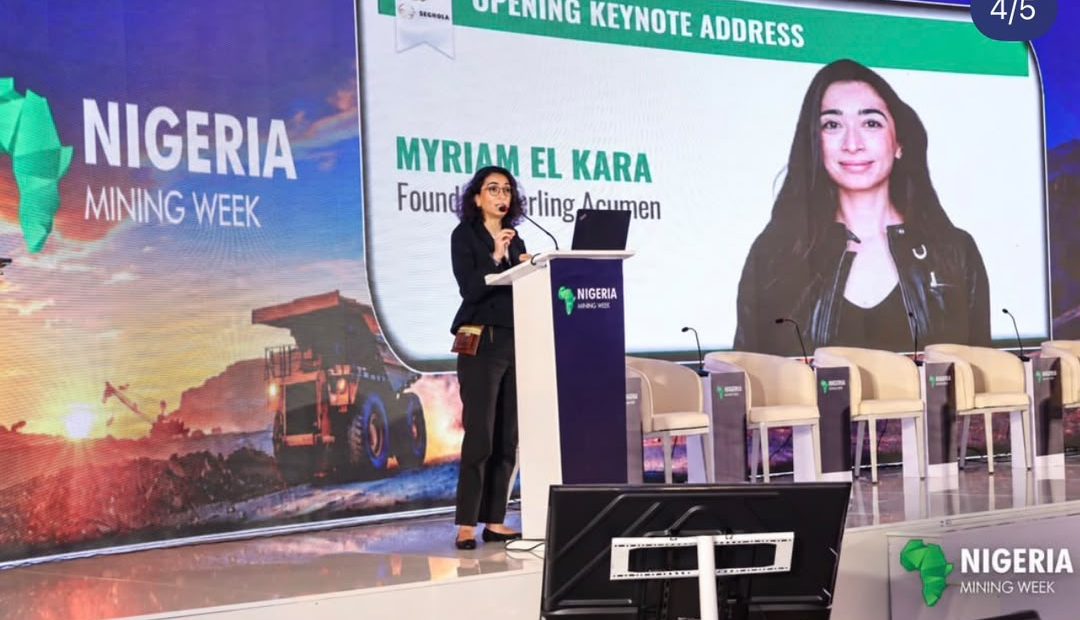
Abuja – October 14, 2026
Subheadline: Industry leaders call for regulatory coordination, responsible mining and strategic partnerships to unlock Nigeria’s solid minerals potential.
ABUJA, October 14, 2026 — Stakeholders at the 11th Nigeria Mining Week have called for stronger investment partnerships, improved regulatory coordination and increased domestic mineral processing to unlock Nigeria’s solid minerals potential, boost industrial development and create employment opportunities.
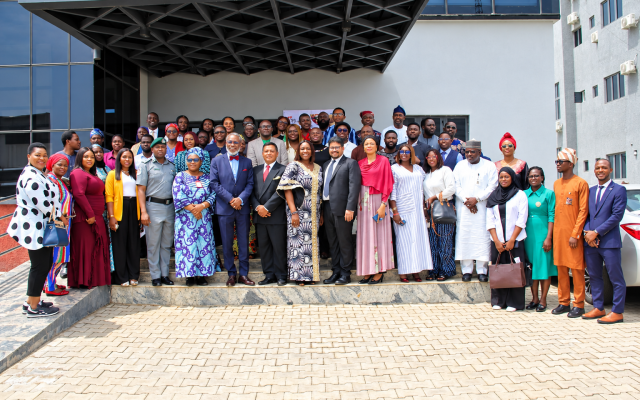
The three-day conference, held from October 12 to 14 at the Abuja Continental Hotel, Abuja, brought together government officials, mining companies, investors, financial institutions, international partners and industry associations to examine opportunities and challenges in Nigeria’s mining sector.
The conference was formally declared open on Tuesday, October 13, by the President of the Miners Association of Nigeria (MAN), Oba Ayandele Ayanleke, who advocated initiatives to attract investment, improve mine safety, support artisanal and small-scale miners, and promote compliance with international best practices.
Themed “Unlocking Investment and Growth through Partnerships,” the 2026 edition focused on the role of collaboration in building a more competitive, sustainable and investment-ready mining industry.
In his welcome address, Ayanleke highlighted the contribution of Nigeria Mining Week to industry development over the past decade, particularly in promoting technological innovation, strengthening professional knowledge and connecting local operators with international investors.
According to The Miners, he stressed that transforming the sector would require sustained cooperation among government institutions, investors, sponsors and other stakeholders.
“No single party can carry the weight of the transformation Nigeria requires,” Ayanleke said.
He emphasised the need to move beyond annual industry engagements towards practical partnerships that deliver measurable outcomes, including increased capital inflows, improved operational standards and expanded opportunities for Nigerian mining businesses.
Founded in 1944, the Miners Association of Nigeria represents individuals and organisations across the mineral value chain, including exploration, mining, quarrying, mineral trading and consultancy.
Regulatory uncertainty and overlapping responsibilities among government agencies emerged as key concerns at the conference.
Austin Menegbo, Country Manager of Segilola Resources, called for stronger coordination among relevant ministries, departments and agencies, as well as transparent timelines for resolving inter-agency disputes affecting mining operations.
He also advocated the establishment of a permanent platform where industry operators and government representatives could regularly address operational and regulatory challenges instead of waiting for the annual conference.
On illegal mining, Menegbo supported an approach that combines enforcement with opportunities for informal operators to transition into legal and compliant businesses.
Such measures, he noted, could strengthen accountability, improve regulatory oversight and encourage greater participation in the formal mining economy.
For investors, predictable regulations and coordinated government processes remain important considerations in assessing project risks, committing capital and sustaining long-term operations.
Cyril Azobu, Partner and Mining Industry Lead at PricewaterhouseCoopers (PwC) Nigeria, emphasised the need to translate Nigeria’s mineral resources and growing international interest into bankable projects capable of attracting long-term investment.
He highlighted the importance of cooperation among government, mining companies, financiers, investors, host communities and development partners in developing commercially viable projects.
The report also pointed to growing international interest in Nigeria’s critical minerals sector, including the critical minerals framework signed between Nigeria and the United States.
According to Azobu, such partnerships could help connect Nigeria’s mineral resources with the capital, technology and technical expertise required to develop the industry.
He stressed that an enabling and predictable business environment, responsible private-sector participation and improved access to finance would be essential to moving projects from exploration and development to commercial production.
Nigeria, he noted, must position itself not only as a source of raw minerals but also as a destination for investment, processing and value addition.
This approach would create opportunities across the mining value chain, from exploration and extraction to mineral processing, manufacturing and export development.
The expansion of domestic mineral processing capacity featured prominently in discussions on strengthening Nigeria’s solid minerals industry.
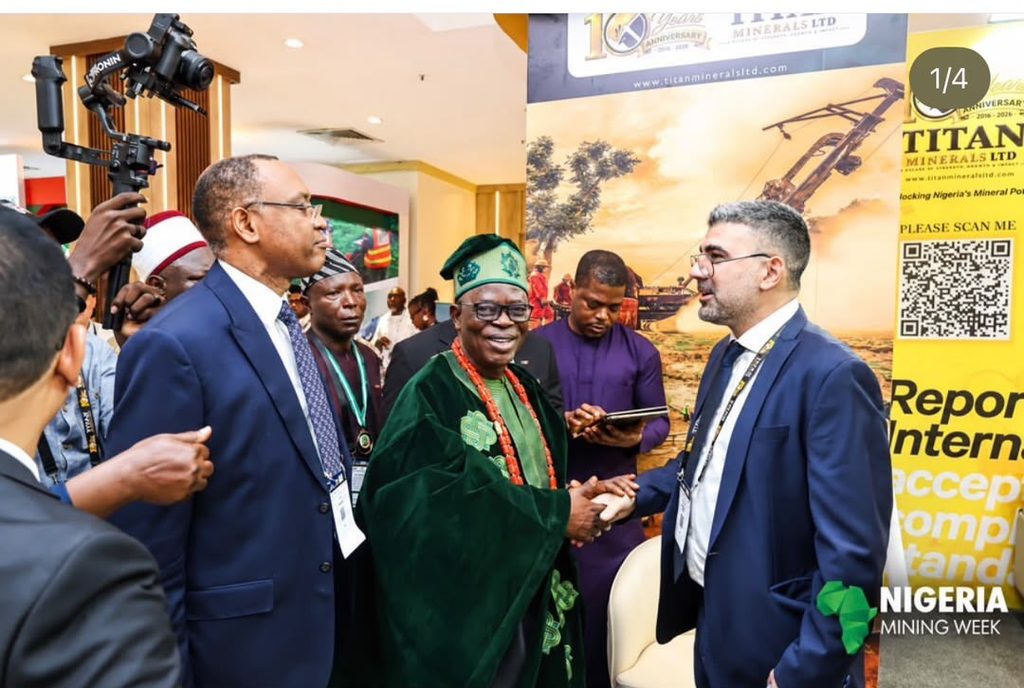
Moving beyond the export of raw minerals towards processing and beneficiation could increase local earnings, support manufacturing, create jobs and strengthen domestic supply chains.
Nere Emiko, Chief Executive Officer of Anka Metals, commended the Miners Association of Nigeria for sustaining the conference and highlighted beneficiation as a key priority for the sector.
Beneficiation involves processing extracted minerals to improve their quality, usability or commercial value. Expanding such activities in Nigeria could enable businesses to retain more value locally while creating opportunities for industrial growth and entrepreneurship.
The opportunities span gold, gemstones, industrial minerals and steel-related inputs.
In the gemstone and jewellery value chain, for instance, investments in cutting, polishing, jewellery production, certification and marketing could help Nigerian enterprises capture more value before products reach domestic and international markets.
Realising these opportunities would require investment in modern processing equipment, technical skills, reliable infrastructure, quality assurance and access to markets.
For Nigerian businesses, stronger local value chains could open opportunities for manufacturing, logistics, equipment supply, technical services and other supporting industries.
International cooperation, traceability and responsible sourcing also featured in the discussions.
Ambassador Anna Westerholm, Head of Mission of the Embassy of Sweden, highlighted the importance of environmental, social and governance (ESG) standards in mining operations.
She drew attention to mineral traceability and legal compliance as important requirements for companies seeking to access international markets.
Traceability enables buyers to verify the origin and movement of minerals along the supply chain, while responsible operating practices can strengthen confidence among investors, customers and development partners.
Westerholm also expressed support for collaboration between Sweden and Nigeria on development initiatives that place people at the centre of progress.
The emphasis on responsible mining underscores the need for stronger environmental safeguards, community engagement and compliance with relevant international market requirements.
Nigeria’s solid minerals sector presents opportunities for investors and businesses across exploration, extraction, mineral processing, equipment supply, logistics and manufacturing. However, converting the country’s mineral resources into sustainable commercial returns will depend on several critical factors:
Regulatory certainty: Clearer rules and better coordination among government agencies can reduce operational uncertainty and improve investor confidence.
Access to finance: Mining projects require appropriate long-term funding to support exploration, infrastructure, equipment and commercial production.
Local value addition: Investment in processing and beneficiation can increase domestic value retention and create opportunities for manufacturers and small businesses.
Responsible operations: Environmental safeguards, mine safety, traceability and community engagement are essential to sustainable development and international market access.
Strategic partnerships: Collaboration among government, private investors, financial institutions, technical partners and local enterprises can help bridge gaps in capital, skills and technology.
As Nigeria Mining Week 2026 concludes, the focus shifts to translating industry discussions and networking into measurable improvements across the mining value chain.
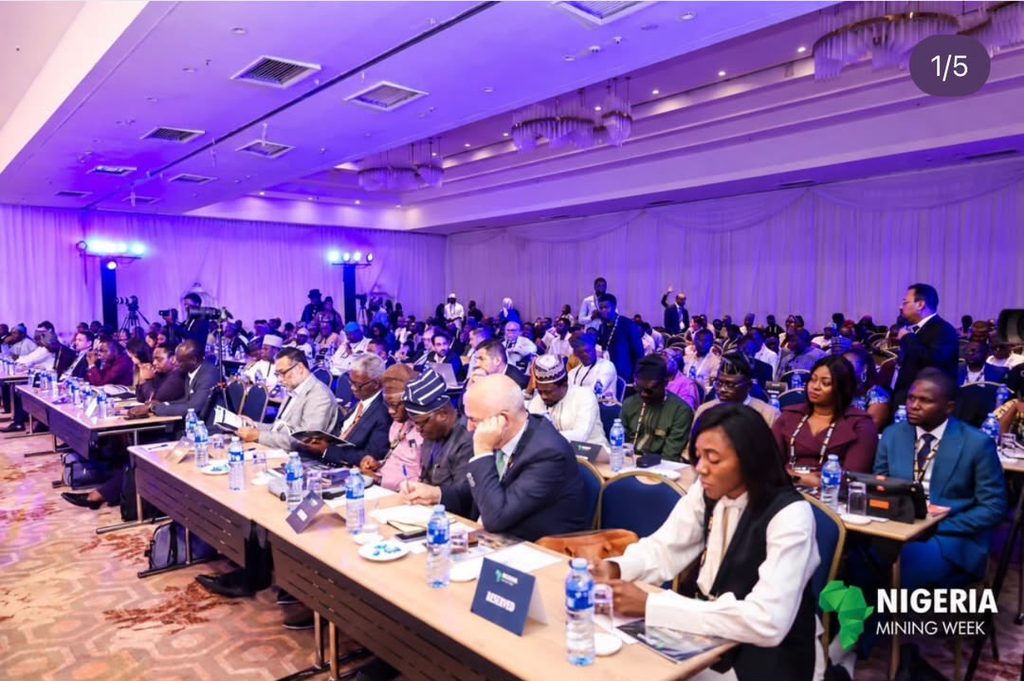
Stakeholders have highlighted the need for clearer regulations, stronger investment flows, safer mining operations, improved support for artisanal and small-scale miners, and increased domestic processing capacity.
The effectiveness of these commitments will depend on implementation, sustained engagement between government and industry, and the development of commercially viable projects that deliver economic benefits to businesses and host communities.
For Nigeria, a stronger mining industry could support economic diversification, industrialisation, employment generation and export growth. Achieving this potential, however, will require consistent policies, responsible investment and partnerships that extend beyond the conference.
Edited by
Rosemary Aiyenale