
NEPC Advances Plan for Shea Processing Hub in Niger to Boost Non-Oil Exports
Proposed Common Facility Centre to provide modern equipment, strengthen local processing and unlock investment opportunities in Nigeria’s shea industry.
Minna- 30th October 2026,
The Nigerian Export Promotion Council (NEPC) has initiated consultations with stakeholders in Niger State towards establishing a Common Facility Centre (CFC) for shea processing, in a move aimed at promoting local value addition, supporting small-scale businesses and increasing Nigeria’s non-oil export earnings.
The proposed facility is expected to address critical constraints in the shea value chain, including the high cost of processing, limited access to modern equipment and inadequate market opportunities for local producers and processors.
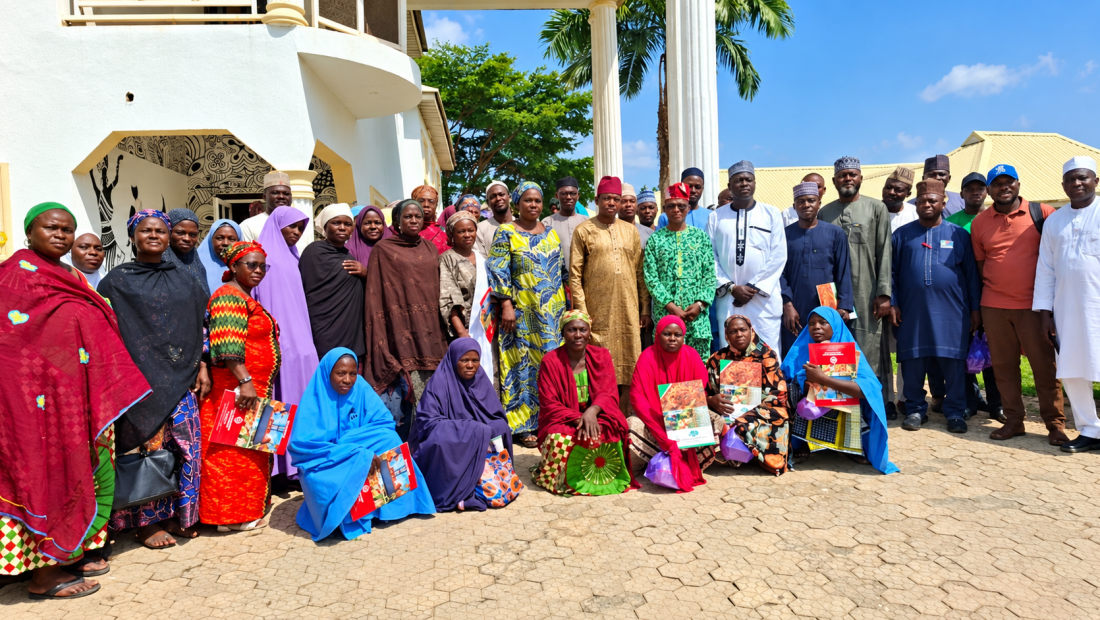
Speaking at a stakeholders’ meeting in Minna, NEPC Executive Director, Mrs Nonye Ayeni, said the consultations would help determine the centre’s location, operational framework, funding arrangements and sustainability strategy. She was represented by the Council’s Director of Solid Minerals, Mr Samson Idowu.
Ayeni disclosed that Nigeria produces an estimated 350,000 to 400,000 metric tonnes of shea nuts annually, representing approximately 40 to 50 per cent of global production. However, she observed that the country earns considerably less than its production potential because much of the commodity leaves Nigeria in its raw form.
She explained that processing shea nuts into butter could multiply their market value by five to ten times, creating opportunities for domestic manufacturing, employment and improved foreign exchange earnings.
The NEPC Executive Director also linked the initiative to the Federal Government’s restriction on raw shea nut exports for 2026 and 2027, which is intended to encourage local processing and retain more economic value within Nigeria.
Under the proposed arrangement, the centre will offer shared access to processing equipment for cracking, roasting, kneading, pressing and filtering shea nuts. This is expected to lower production costs for small and medium-sized enterprises while improving product quality and compliance with relevant standards.
She, however, emphasised that private-sector investment, sustainable financing, equipment maintenance and dependable off-take arrangements would be critical to the centre’s commercial success.
Earlier, NEPC State Coordinator, Mr Yakubu Gambo, reaffirmed the Council’s commitment to strengthening the export sector through training, workshops and capacity-building programmes. He said the proposed facility would improve processing methods, expand market access and enhance the income of operators, particularly women and young people.
The Permanent Secretary, Niger State Ministry of Commerce, Industry and Cooperatives, Mrs Helen Umaru, represented by the Director of Commerce, Dr Aliyu Umaru, said the state government remained committed to creating an enabling environment for businesses and investors.
She noted that the initiative aligned with the economic development priorities of Governor Umaru Bago’s administration and disclosed that the state was also working towards developing three Free Export Processing Zones to attract investment.
In separate remarks, the Centre Manager of the Technology Incubation Centre, Minna, Mr Jibrin Abdulrahman, pledged technical and manpower support towards establishing a functional processing facility.
Similarly, the Niger State Chairperson of the Shea Nut Producers and Processors Association of Nigeria (SNPPAN), Hajiya Jummai Shekarau, expressed optimism that the proposed centre would ease longstanding processing difficulties confronting operators.
She added that the facility would create opportunities to display and promote different grades of shea butter, including products for edible and cosmetic applications.
Stakeholders also highlighted the importance of establishing shea plantations to ensure a steady supply of raw materials and strengthen the industry’s production capacity.
The proposed Common Facility Centre presents an opportunity to deepen investment in Nigeria’s agro-processing industry by shifting the shea sector from raw commodity exports to higher-value manufacturing.
Shared processing infrastructure could lower entry barriers for MSMEs, encourage women-led businesses, stimulate job creation and improve Nigeria’s competitiveness in the global shea market.
However, the success of the initiative will depend on access to affordable financing, sustainable raw material supply, reliable technology, quality assurance and established market linkages.
Edited by Rosemary Aiyenale
Source: News Agency of Nigeria (NAN).