Adesugba Urges Africa to Turn Creative Talent into Economic Wealth

Abuja – October 30, 2026
Africa must strengthen investment, to intellectual property protection and strategic partnerships to transform its creative talent into sustainable economic wealth, the 1st Deputy President of the Abuja Chamber of Commerce and Industry (ACCI), Prof. Adesoji Adesugba, has said.
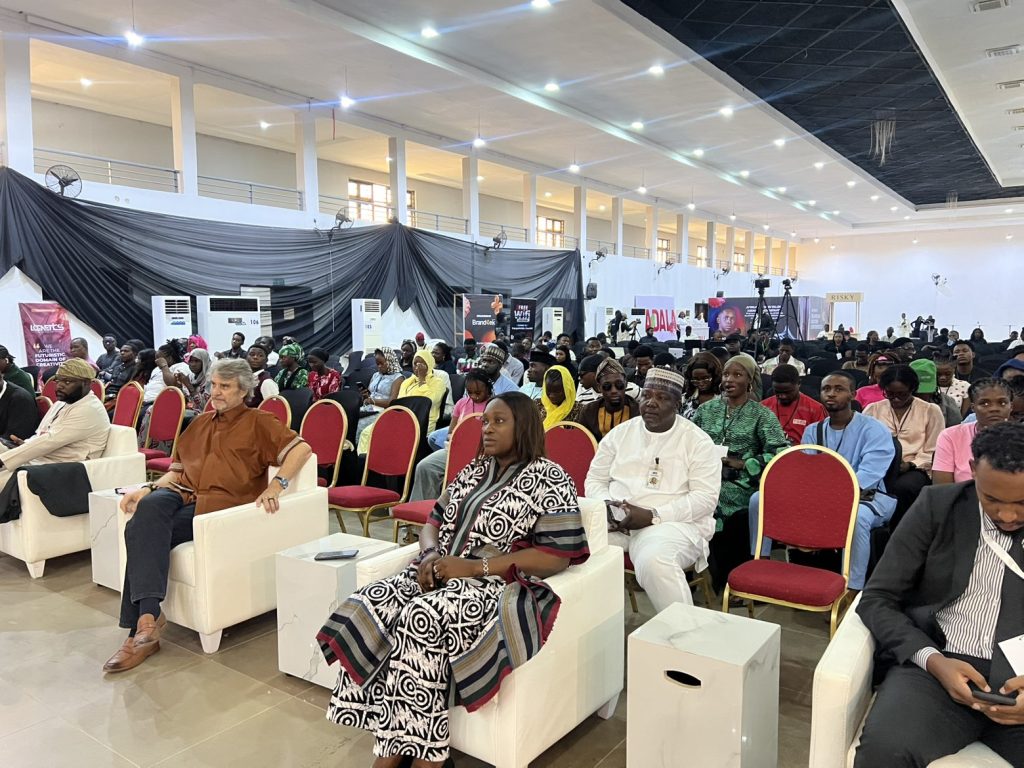
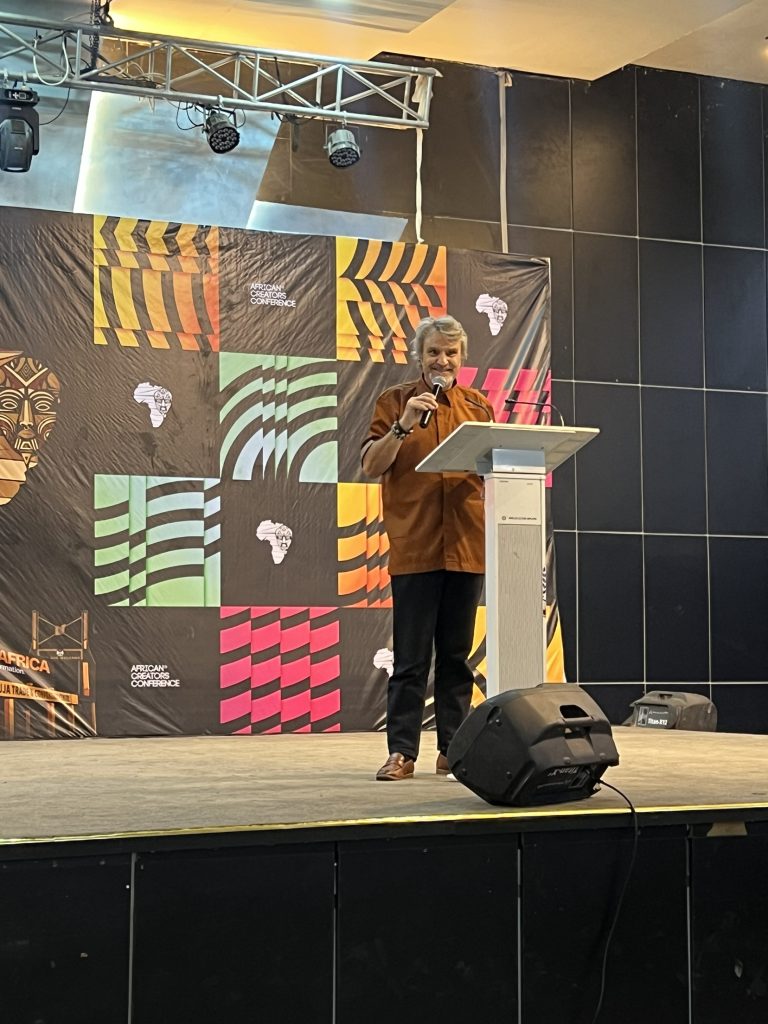
Prof. Adesugba made the call while delivering the keynote address at the African Creators Conference 2.0, themed “The Powered Africa: Creativity, Innovation, Transformation,” where he highlighted the continent’s creative potential, existing economic gaps and opportunities for building viable businesses around African creative products.
He noted that the global creative economy was valued at approximately $2 trillion, while Africa accounted for less than three per cent, with its creative economy estimated at $60 billion. According to him, the sector could grow to $200 billion by 2030 if African countries improve their capacity to own, protect, finance and commercialise their creative assets.
Using Nigeria’s music and film industries as examples, Adesugba highlighted the disparity between creative output and the economic returns accruing to creators. He disclosed that Nigerian artists earned approximately ₦60 billion from Spotify in 2025, across 30.3 billion streams, translating to an estimated ₦2 per stream.
He further noted that Nigerian artists accounted for approximately 0.39 per cent of Spotify’s reported $11 billion global payout, while Nigeria’s box-office revenue stood at about $10 million in 2025, despite the country’s substantial film production capacity.
Prof. Adesugba identified music, film production, digital content, creative technology and intellectual property management as key areas offering significant business and investment opportunities. He stressed that the projected expansion of Africa’s creative economy presents opportunities for investors, financial institutions, technology companies and entrepreneurs to develop commercially viable enterprises.
He emphasised that stronger intellectual property protection, improved access to finance and fair contractual arrangements would enable creators to retain greater value from their work while providing investors with the confidence to support creative ventures.
Despite the sector’s potential, Adesugba identified piracy, weak intellectual property protection, inadequate infrastructure and low earnings as major constraints to growth. He cited estimates that Nigeria loses approximately $3 billion annually to piracy, with about seven out of every ten films reportedly suffering piracy-related losses.
He also highlighted the high cost of digital tools and infrastructure as barriers to creative enterprise development. Citing broadband penetration figures of 57.4 per cent as of July 2026 and approximately 265,000 fibre-to-the-home subscribers, he stressed the need for further investment in digital infrastructure to support content creation, distribution and other technology-driven businesses.
Prof. Adesugba further highlighted the growing role of artificial intelligence in coding, content creation and economic development, noting the importance of addressing ethical concerns, digital rights and information integrity as the sector evolves.
He called for stronger collaboration among government institutions, investors, financial institutions, regulators and educators to strengthen intellectual property protection, expand access to financing and build sustainable enterprises across Africa’s creative industries.
He maintained that the continent must move beyond celebrating its creative talent to ensuring that innovative ideas and creative products are properly owned, protected, financed, developed and traded.
According to him, the global market is already consuming African creativity, but the continent must establish the structures and commercial frameworks required to ensure that its creators are fairly compensated for the value they contribute.
He urged stakeholders to work collectively to transform Africa’s creative potential into viable businesses, investment opportunities, employment and sustainable economic growth.
Edited by Rosemary Aiyenale