
Nigeria at 66: Prosperity Must Be Felt, Not Merely Proclaimed
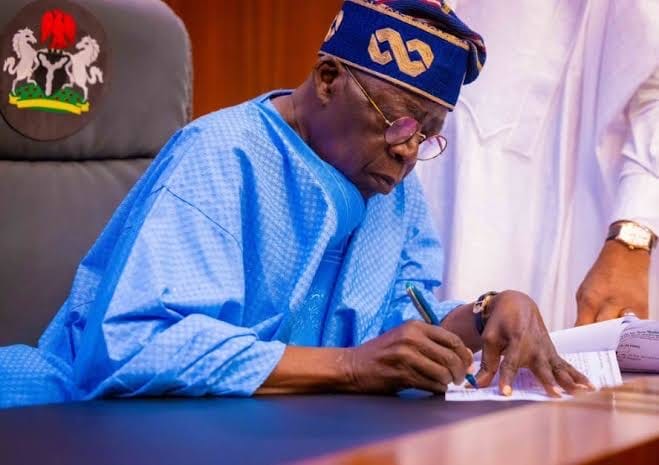
President Bola Tinubu’s Independence Day address sets a clear test for his administration: whether economic reform can deliver a better life for Nigerians. His promise to move from stabilisation to shared prosperity deserves support. But a new phase of governance cannot be established by presidential declaration alone. It must become visible in household purchasing power, productive employment and the ability of businesses to operate profitably.
The President’s central proposition is that the difficult adjustments undertaken since 2023 have strengthened the foundations of the economy. He cited growth above four per cent this year, easing inflation, stronger foreign reserves and record non-oil export earnings exceeding $6 billion in 2025. These are the administration’s stated indicators of progress, and they should be examined alongside the living standards of citizens and the operating conditions of enterprises.
Chamber Telegraph believes that macroeconomic stability matters. Businesses need predictable conditions to invest, price their products and plan expansion. However, stability acquires its fullest value when it supports a productive economy capable of raising incomes and widening opportunity.
A slower inflation rate, for example, does not necessarily mean that prices have fallen. It may mean that they are rising less quickly. A family whose earnings have failed to keep pace with earlier increases can therefore remain under severe pressure even as headline indicators improve. Government communication must acknowledge this distinction. Statistical progress and continuing hardship can exist together.
The President’s comparison of economic reform to painful medical treatment provides a forceful defence of his policy choices. Yet the analogy has limits. Governments remain accountable for the sequencing of reforms, the quality of implementation and the protection offered to those bearing their costs. Recognising longstanding economic weaknesses does not settle whether every subsequent decision was timely, well designed or adequately supported.
Nor should criticism of implementation automatically be treated as a demand to restore inefficient arrangements. There is room for a serious national conversation about how to preserve reform gains while reducing avoidable hardship. Listening to businesses, labour and communities is part of responsible economic management.
The speech’s most constructive commitment is its emphasis on reducing living costs through lower production and distribution costs. Its focus on agriculture, infrastructure, industrial energy and skills offers a useful framework for action.
The next step must be an implementation programme with deadlines, funding commitments and identifiable responsibility. Which agricultural corridors will receive priority? When will the relevant transport links become operational? How will smaller manufacturers obtain dependable power and suitable finance? What results should Nigerians expect within six months and one year?
These questions are essential because lower business costs do not automatically translate into lower consumer prices. Competition, market access and effective enforcement against collusion influence whether savings reach households. Government should remove barriers that restrict entry and strengthen the institutions that protect fair competition.
Security must also be treated as an economic priority. Irrigation equipment cannot achieve its purpose where farmers cannot safely reach their land. A transport corridor cannot support efficient trade where moving goods exposes operators to unacceptable risks. The promise of affordable food requires a coordinated approach to farm security, rural infrastructure, storage and access to markets.
For industry, the practical objective should be to make producing in Nigeria more competitive. That requires dependable energy, efficient ports, transparent customs procedures, predictable regulation and fewer overlapping demands on businesses. Public agencies must be assessed by the delays and costs they remove from enterprise.
Chambers of commerce and sector associations should have a structured role in this process. Through NACCIMA and chambers across the country, government can obtain regular evidence from manufacturers, traders, exporters and small businesses. Consultation should lead to published decisions, responsible agencies and follow-up reports. Meetings alone will not improve the business environment.
Employment policy requires similar discipline. Skills programmes should connect training to employers, apprenticeships and viable enterprise opportunities. Their success should be measured by sustained employment, earnings and business survival. Enrolment figures and certificates are insufficient evidence of economic impact.
The President also acknowledged that vulnerable households cannot wait for future growth and outlined support through social assistance, education loans and consumer credit. These interventions should be judged by accessibility, fairness and results. Assistance must reach eligible citizens promptly, with transparent selection, independent scrutiny and effective complaints procedures. Credit must remain affordable and be accompanied by clear consumer protection.
Government must demonstrate fiscal discipline as well. Appeals for public patience carry greater credibility when citizens can see restraint in official expenditure and value in public procurement. Every level of government should account for how available resources improve schools, healthcare, infrastructure and livelihoods.
We therefore urge the administration to publish a quarterly prosperity scorecard covering real household incomes, productive jobs, business financing costs, electricity reliability and agricultural output. The reporting should distinguish announcements from funds released, projects completed and services actually delivered.
Nigeria’s sixty-sixth anniversary should renew confidence in what the country can achieve. But confidence grows strongest when public promises are supported by evidence.
President Tinubu has identified the right destination. His administration must now provide a credible route, measurable milestones and results that Nigerians can recognise in their own lives. The farmer who works safely, the factory that expands and the family whose income meets its essential needs will provide the most convincing verdict on the promised age of prosperity
Chamber Telegraph Editorial Board
October 1, 2026