₦47 Trillion and Counting: The Big Question Behind Nigeria’s Revenue Surge
Nigeria’s governments are receiving more money than ever before, but for millions of citizens struggling with rising living costs, the big question remains: where is the impact?
Between 2023 and 2025, about ₦47 trillion flowed to the Federal, state and local governments through the Federation Account, following a major surge in public revenue driven by economic reforms, improved revenue collection and changes in the country’s foreign exchange system.
The figure represents more than half of the total revenue shared by the three tiers of government over a much longer period, signalling a dramatic shift in Nigeria’s fiscal landscape.
Federation Account allocations reportedly rose from about ₦10 trillion in 2023 to over ₦15 trillion in 2024 and reached nearly ₦22 trillion in 2025.
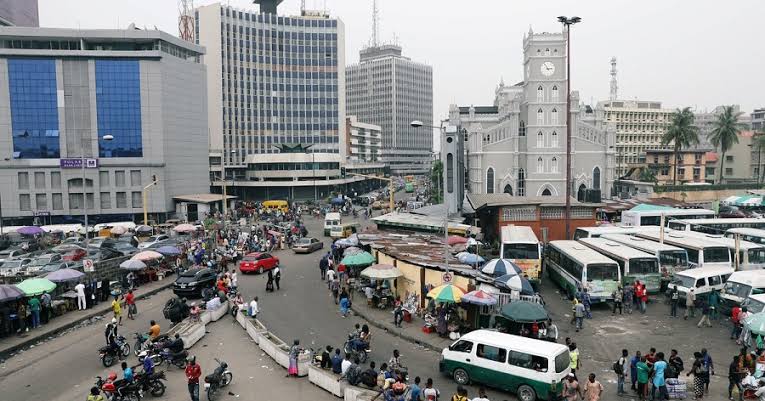
For the Federal Government, states and local governments, the increase has created greater financial capacity. But for ordinary Nigerians, who have endured high inflation, increased transportation costs and rising food prices, the revenue surge has created heightened expectations.
The question is simple: if government revenues are rising, should Nigerians not begin to see better public services and infrastructure?
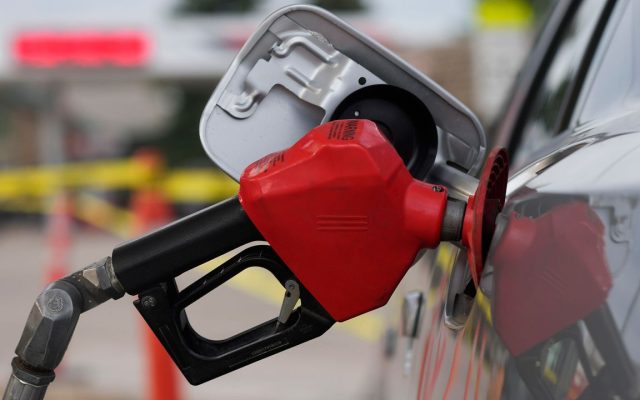
The increase in revenue followed some of the most significant economic reforms introduced in recent years. The removal of the petrol subsidy reduced the government’s financial burden, while foreign exchange reforms and increased revenue mobilisation boosted the naira value of funds available for distribution.
However, the reforms have also come at a cost.
While government revenues have increased, many households continue to face economic pressure. Businesses are also dealing with high operating costs, unstable energy supply and reduced consumer purchasing power.
This contrast between rising government revenue and continuing economic hardship is beginning to shape a new public conversation around accountability.
For state governments, the increased allocations present an opportunity to address critical infrastructure and development challenges. With more funds flowing from the Federation Account, citizens will expect improvements in roads, schools, hospitals, security and other public services.
Local governments are also expected to play a more significant role in translating increased revenue into development at the grassroots.
For communities, the impact should be more direct. Better primary healthcare centres, improved rural roads, functional markets, water and sanitation facilities and stronger basic education are among the areas where citizens could reasonably expect to see results.
But increased revenue does not automatically guarantee development.
Nigeria has faced similar challenges in the past, where periods of increased public income did not always produce corresponding improvements in infrastructure or living standards.
The current revenue surge therefore presents both an opportunity and a test.
The opportunity is for governments to use the additional resources to address long-standing development challenges. The test is whether public institutions can ensure that the money is spent transparently, efficiently and on projects that directly improve the lives of citizens.
The focus, analysts argue, should move beyond celebrating the amount of money shared every month.
The more important question is what the money is achieving.
Are more roads being completed? Are hospitals becoming better equipped? Are schools improving? Are young people gaining access to jobs and economic opportunities? Are businesses experiencing a better environment in which to operate?
These are the questions that will determine whether Nigeria’s ₦47 trillion revenue surge becomes a turning point for development or simply another period of increased government spending with limited impact.
As revenues continue to rise, so too will public expectations.
For Nigerians, the numbers coming out of the Federation Account may be impressive, but the real measure of success will not be found in trillions of naira shared among governments.
It will be found in the condition of the roads people travel on, the quality of education their children receive, the healthcare available to their families and the economic opportunities available to them.
₦47 trillion and counting has given Nigeria a major fiscal opportunity. The challenge now is ensuring that Nigerians can actually see where the money is going.