
Dangote Refinery Raises Petrol Price to ₦1,200 Per Litre
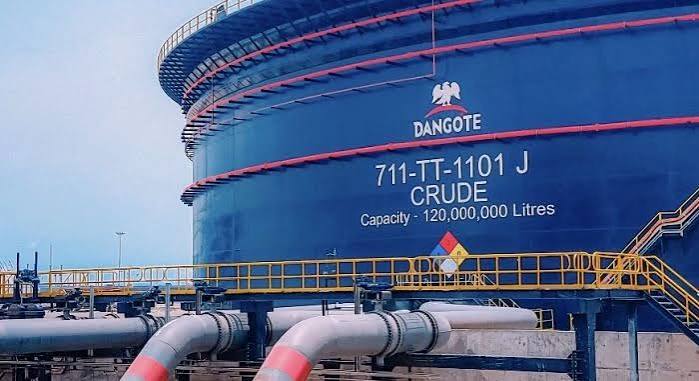
The Dangote Petroleum Refinery has increased the price of Premium Motor Spirit (PMS), commonly known as petrol, by ₦15 per litre, bringing its new gantry price to ₦1,200 per litre with effect from August 26, 2026.
The latest adjustment represents the second increase in less than one week. On August 21, the refinery had raised its petrol price from ₦1,165 to ₦1,185 per litre. The latest increase therefore brings the total rise within five days to ₦35 per litre.
In a notice to customers, the refinery also increased its coastal delivery price from ₦1,562,265 to ₦1,582,380 per metric tonne. Customers were instructed to return existing Authorisation to Collect (ATC) documents for repricing before loading can resume, after which new volume contracts would be issued.
ALSO READ: Fuel Subsidy Returns to Nigeria’s Political Debate as Cost-of-Living Crisis Persists
Price Increase Comes Despite Lower Crude Prices
The latest price adjustment has attracted attention because it comes amid a decline in international crude oil prices. Data cited in the report showed Brent crude trading at about $86.83 per barrel, down 1.98 percent, while West Texas Intermediate (WTI) fell to $80.70 per barrel. Murban crude, however, moved in the opposite direction, rising to $93.44 per barrel.
The refinery has not publicly provided a specific explanation for the ₦15 increase. The development highlights the complexity of Nigeria’s deregulated downstream petroleum market, where domestic petrol prices can be affected by crude costs, refining economics, logistics, market conditions and international supply risks.
Likely Impact on Pump Prices
The increase in the refinery’s gantry price is expected to place additional pressure on petroleum marketers and may lead to higher pump prices at filling stations. In some areas, petrol prices could rise towards an average of ₦1,250 per litre, depending on transportation, distribution and other operational costs.
For households and businesses, a further increase in petrol prices could result in higher transportation and logistics expenses, potentially driving up the cost of food, manufactured goods and other essential services.
Global Oil Market Risks
The price adjustment comes amid growing uncertainty in the global oil market, driven by tensions between the United States and Iran. While crude oil prices have recently eased on expectations that diplomatic efforts and sanctions-related developments could help reduce immediate supply concerns, risks to oil shipments through the Strait of Hormuz remain a major concern.
The waterway is a critical route for global energy supplies, carrying a significant share of the world’s oil consumption. Any prolonged disruption to shipping through the Strait could tighten global oil supplies, push up crude prices and increase the cost of refined petroleum products, with potential implications for fuel prices in Nigeria and other import-dependent markets.
Implications for Nigeria
The latest Dangote price increase underscores the continuing volatility of Nigeria’s downstream petroleum market. While the emergence of a major domestic refinery has reduced the country’s dependence on imported refined petroleum products, fluctuations in refinery-gate prices can still have immediate consequences for consumers and businesses.
The development also raises an important policy question: how can Nigeria translate increased domestic refining capacity into more stable and affordable fuel prices for consumers?
For the government and industry stakeholders, improving domestic crude supply, reducing logistics costs, strengthening competition and ensuring greater transparency in petroleum pricing will remain critical to achieving a more stable downstream market.