Health Financing Reforms: Stakeholders Seek Stronger Domestic Funding, Local Production.
ABUJA — Stakeholders in Nigeria’s health and development sectors have called for accelerated reforms to strengthen domestic healthcare financing, boost local production of health commodities and create a more sustainable health system capable of reducing the country’s reliance on donor funding.
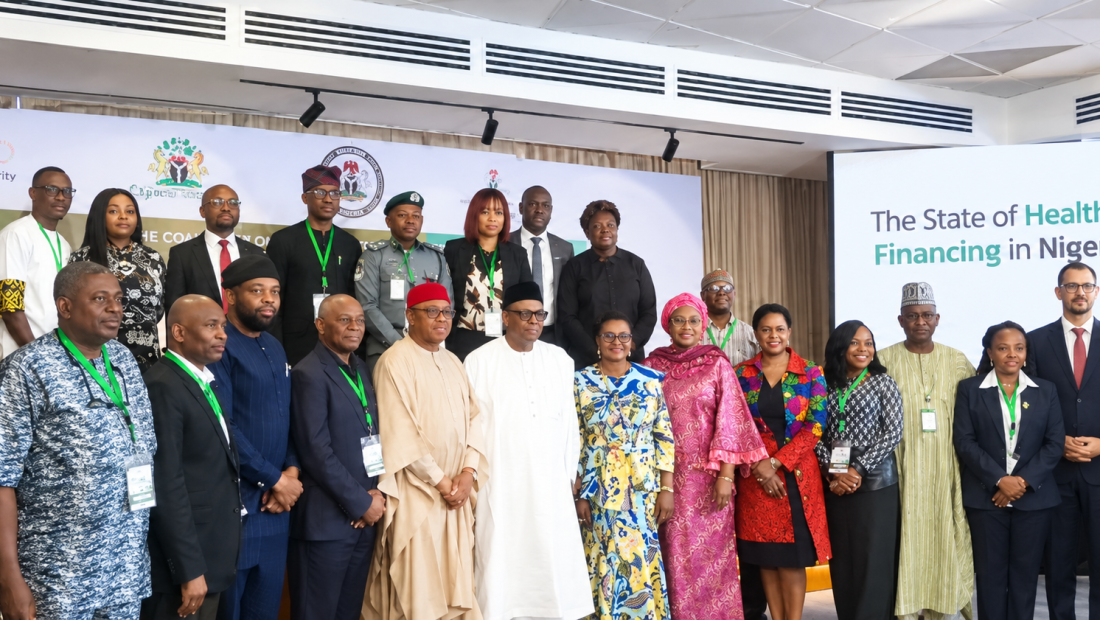
The call was made in Abuja at the National Convergence on Sustainable Health Financing, organised by the Senate Committee on Health in collaboration with the Caywood Brown Foundation and other partners.
The stakeholders urged the National Assembly and state governments to advance pending health financing legislation, increase investment in the Basic Health Care Provision Fund (BHCPF) and expand the Sugar-Sweetened Beverage (SSB) levy as part of measures to mobilise additional domestic resources for healthcare.
The Coordinating Minister of Health and Social Welfare, Prof. Muhammad Pate, said stronger political commitment, legislative backing and collaboration among stakeholders were necessary to transform Nigeria’s healthcare system.
Pate stressed the importance of sustained investment in healthcare, improved accountability and efficient utilisation of resources, while calling for greater investment in primary healthcare, local production of health commodities and stronger epidemic preparedness.
For the business community, increased domestic health financing could have implications for the development of Nigeria’s healthcare value chain, particularly local pharmaceutical and medical-equipment production, healthcare delivery, insurance and other health-related enterprises.
The Chairman of the Senate Committee on Health, Sen. Ipalibo Harry-Banigo, said the proposed reforms would help establish a more predictable and domestically funded healthcare financing system.
She also highlighted the growing burden of non-communicable diseases, including hypertension and diabetes, stressing the need for greater investment in prevention.
Similarly, the Chairman of the House Committee on Healthcare Services, Rep. Amos Magaji, said sustainable resources, strong institutions and accountability were essential to achieving universal health coverage.
He emphasised the importance of making the BHCPF a reliable source of funding for primary healthcare and vulnerable Nigerians.
The Director-General of the Nigeria Centre for Disease Control and Prevention (NCDC), Dr Jide Idris, advocated a shift from service-based healthcare financing towards greater investment in prevention.
The Director-General of the National Health Insurance Authority (NHIA), Dr Kelechi Ohiri, stressed the importance of legislative support in advancing universal health coverage.
The Executive Director of the Caywood Brown Foundation, Ms Ibim Banigo, and other stakeholders urged the House of Representatives to expedite concurrence on pending health financing bills before the end of the 10th National Assembly’s legislative tenure.
They maintained that increased domestic financing through the BHCPF and SSB levy would strengthen Nigeria’s healthcare system and help address the rising burden of non-communicable diseases.
What Businesses Need to Know
– Healthcare financing: Proposed reforms could increase domestic resources available to the health sector.
– Local manufacturing: Greater investment in local production of medicines and health commodities could create opportunities across Nigeria’s healthcare value chain.
– Private-sector participation: A stronger and more predictable healthcare financing framework could affect healthcare providers, insurers, pharmaceutical companies and medical-equipment businesses.
– Public health and productivity: Increased investment in prevention and primary healthcare could have implications for workforce health and productivity.
– Policy environment: Pending legislation and changes to health-related levies remain important considerations for businesses operating in or supplying the healthcare sector.
Source: News Agency of Nigeria (NAN)