NADDC Pushes for Stronger Legal Framework to Attract Investment into Nigeria’s Automotive Sector
Proposed Automotive Industry Bill Targets Local Manufacturing, Regulatory Reforms
Abuja, November 4, 2026
The National Automotive Design and Development Council (NADDC) has intensified efforts to strengthen Nigeria’s automotive industry through a proposed legal framework aimed at improving the investment climate, expanding local manufacturing and enhancing regulatory oversight.
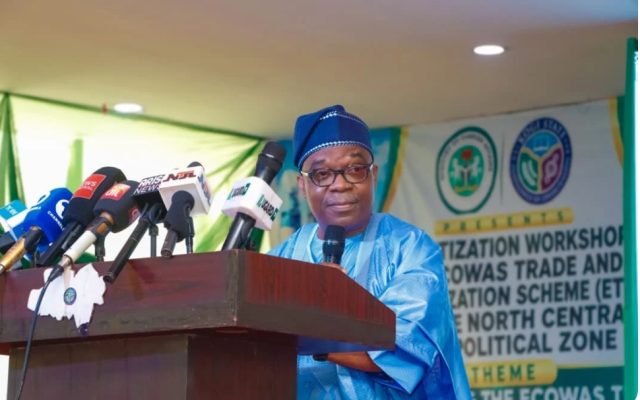
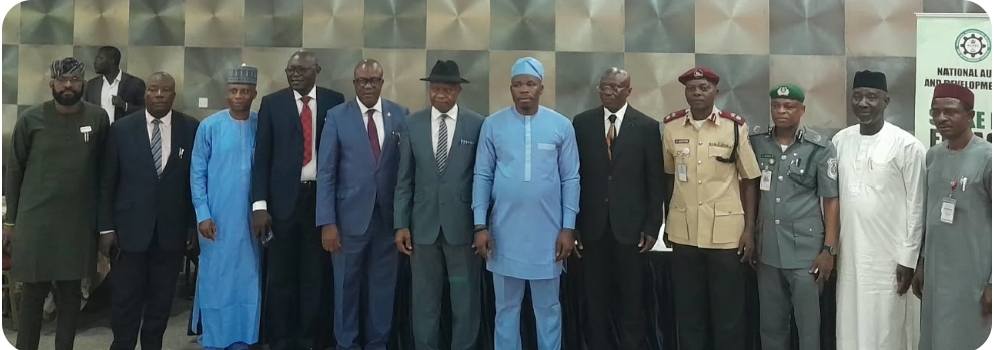
The Director-General of NADDC, Otunba Oluwemimo Joseph Osanipin, made this known at a public sector stakeholders’ consultative meeting on the Draft National Automotive Industry Bill 2026 in Abuja.
He explained that the proposed legislation was intended to address persistent policy inconsistencies, weak regulatory enforcement and institutional gaps that have constrained investment and the development of the automotive sector.
Under the proposed reforms, the existing NADDC Act of 2014 would be repealed and replaced with a new law establishing the National Automotive Development Commission, with broader regulatory, supervisory and enforcement responsibilities.
Osanipin noted that the proposed commission would provide a stronger institutional framework for coordinating industry activities, promoting local content development, supporting domestic production of automotive components and advancing green mobility initiatives.
He emphasised that policy stability and adequate legal safeguards for investment incentives were essential to attracting long-term capital into the sector. According to him, increased domestic manufacturing would facilitate technology transfer, generate employment, reduce pressure on foreign exchange and strengthen Nigeria’s industrial capacity.
The NADDC chief also underscored the economic potential of automotive recycling, noting that more than 70 per cent of automobile components could be recycled. He said the proposed bill would support the development of a structured recycling system and a more organised domestic market for used vehicles.
In his remarks, the Chairman of the House of Representatives Committee on Industry, Rep. Enitan Badru, called for a comprehensive review of the proposed legislation to address institutional overlaps, regulatory weaknesses and enforcement challenges.
Badru maintained that upgrading NADDC from a council to a commission would provide the institution with the necessary authority to regulate the industry effectively. He also cautioned against allowing Nigeria to become a dumping ground for imported vehicles and automotive products.
He stressed that local content provisions must reflect the realities of domestic production capacity and promote competitiveness, ensuring that Nigerian-made automotive components can meet required standards and compete favourably with imported products.
The lawmaker further advocated stronger inter-agency collaboration among the proposed commission, the Standards Organisation of Nigeria (SON), Nigeria Customs Service, National Agency for Science and Engineering Infrastructure (NASENI) and other relevant institutions to ensure effective implementation of the proposed reforms.
He expressed optimism that the draft legislation would be forwarded to the National Assembly by the end of November or early December 2026 for legislative consideration.
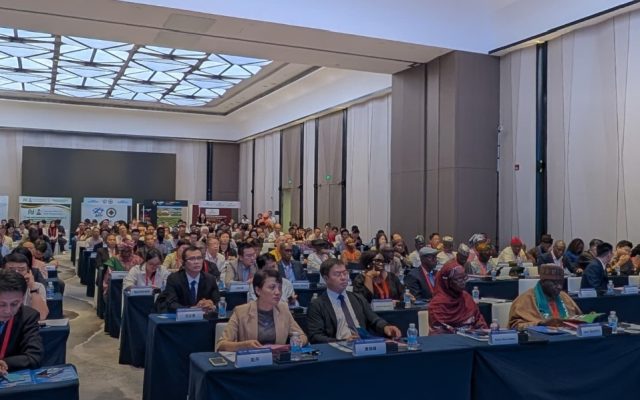
Stakeholders at the consultation meeting welcomed NADDC’s initiative and expressed support for efforts to establish a more robust legal and institutional foundation for the automotive industry.
The proposed bill is expected to play a significant role in improving investor confidence, strengthening local production capacity and positioning Nigeria as a more competitive destination for automotive manufacturing and investment.
Edited by Rosemary Aiyenale
Source: News Agency of Nigeria (NAN)