

Trump Acknowledges Iran War Played Role in Republican Midterm Defeat, Says He Was Not on Ballot
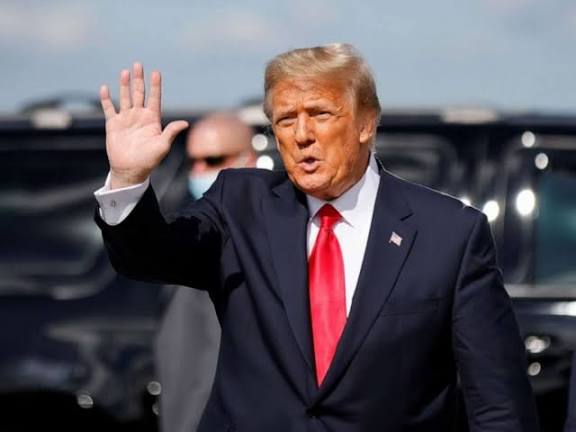
US President congratulates Democrats on their sweeping victory but rejects the suggestion that the election result represents a personal repudiation of his leadership.
US President Donald Trump has acknowledged that the war involving Iran may have contributed to the Republican Party’s heavy losses in the midterm elections, while insisting that his absence from the ballot was a major factor in the party’s defeat.
Speaking in a telephone interview with Fox News, Trump offered unusual praise to the Democrats following their victories, saying they had campaigned effectively and deserved congratulations.
“I think a part of it was Iran, but at the same time, people understood the importance of what I’ve done with Iran,” he said, acknowledging the conflict’s possible influence on voters.
ALSO READ: NACCIMA Woos Chinese Investors as Nigeria Seeks Deeper Trade and Investment Partnerships
The president, however, rejected the suggestion that the election represented a direct setback for his administration, maintaining that he was not personally contesting any seat.
“I wasn’t on the Ballot and if I was, we would have won IN A LANDSLIDE!” he wrote in a post on his Truth Social platform.
Iran War and Rising Fuel Costs Under Scrutiny
The conflict with Iran and its impact on global energy prices emerged as significant issues during the election campaign.
Higher oil prices and rising costs of petrol and diesel have placed additional pressure on American households, with voters expressing concern about the economic consequences of the prolonged conflict.
In a separate interview with The Wall Street Journal, Trump described Iran as “a piece” of the explanation for Republican losses but defended his decision to launch the military campaign, saying he would make the same decision again.
His comments suggest an acknowledgement of the domestic economic consequences of the conflict without a retreat from his administration’s position on its military objectives.
Trump Shifts Attention to Republican Candidates
Despite the scale of the Democratic victory, Trump sought to place much of the responsibility for the outcome on Republican candidates, some of whom he had personally endorsed and campaigned for.
He indicated that the performance and appeal of individual candidates contributed to the party’s losses, while promising to examine the reasons behind their defeats.
The White House also pointed to candidate quality as a factor, arguing that some Republican contenders had not performed as effectively as expected.
Trump later suggested that he intended to become a political commentator on the election results, signalling that he would publicly assess the decisions and performances that contributed to the Republican setback.
Democrats Set to Challenge Trump’s Remaining Agenda
The Democratic victories are expected to reshape the political environment during the remaining two years of Trump’s presidency, with the party positioned to control both chambers of Congress.
Trump has said he is prepared to work with Democratic lawmakers on areas of agreement but warned that he would use his veto power against legislation he opposes.
The change in congressional control could complicate the administration’s legislative priorities, increase scrutiny of federal policies and create new political challenges for the White House.
Although Trump congratulated his opponents and said he was willing to cooperate with them, his remarks indicate that political confrontation could remain a defining feature of the final phase of his presidency.
The election has therefore placed renewed attention on the domestic consequences of the Iran conflict, the cost of living and the Republican Party’s ability to maintain political support ahead of the next presidential contest.